
 Deutschland
 France
 Nederland
 Great Britain
 Sverige
 Danmark
 Suomi
Suomi Italia
 Polska
 Česko
Česko España
VS
Fiat Doblò Van vs VW Caddy comparativa
Compara la potencia (136 CV vs 150 CV), el maletero y el precio (26.300 € vs 34.200 € ) de un vistazo. Descubre cuál es la mejor opción para ti: Fiat Doblò Van o VW Caddy.
Fiat Doblò Van vs VW Caddy: las principales diferencias
Todos los detalles sobre potencia, consumo, autonomía y maletero se encuentran en la comparación técnica más abajo, donde también podrás ver las opiniones de los usuarios sobre ambos modelos.
Doblò Van
Costes y consumo
En términos de economía diaria, ambos modelos muestran contrastes interesantes.
El Fiat Doblò Van es notablemente más barato: parte desde 26.300 € , mientras que el VW Caddy cuesta 34.200 € . La diferencia es de unos 7.942 €.
También hay diferencias en el consumo: el VW Caddy consume considerablemente menos, con 0,5 L/100km frente a los 5,2 L/100km del Fiat Doblò Van. La diferencia es de unos 4,7 L/100km
En cuanto a la autonomía eléctrica, el Fiat Doblò Van ofrece de forma notable más autonomía: alcanza hasta 354 km, unos 233 km más que el VW Caddy.
Caddy
Motor y rendimiento
Potencia, par motor y aceleración dicen mucho sobre la experiencia de conducción. Aquí se ve cuál ofrece más dinamismo.
En potencia, el VW Caddy ofrece muy ligeramente más potencia: 150 CV frente a 136 CV. Eso supone unos 14 CV de diferencia.
También hay diferencias en el par motor: el VW Caddy ofrece apenas más par, con 320 Nm frente a 300 Nm. La diferencia ronda los 20 Nm.
Doblò Van
Espacio y practicidad
Ya sea coche familiar o compañero diario – ¿cuál ofrece más espacio, flexibilidad y confort?
Plazas: el VW Caddy ofrece más plazas – 7 frente a 5.
En el peso en vacío, el Fiat Doblò Van es algo más ligero – 1.329 kg frente a 1.575 kg. La diferencia ronda los 246 kg.
En carga útil, el Fiat Doblò Van ofrece de forma evidente más capacidad – 991 kg frente a 710 kg. La diferencia es de unos 281 kg.
¿Quién gana la carrera en el análisis de datos?
VW Caddy supera en casi todos los aspectos en la comparación objetiva de datos.
Esta evaluación solo muestra qué modelo obtiene más puntos sobre el papel – no cuál de los dos coches se siente adecuado para ti.
desde 34.200 €
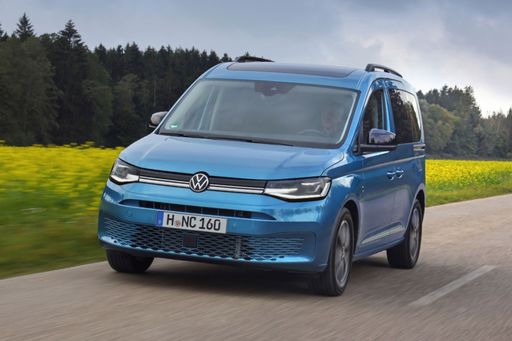
VW Caddy
Fiat Doblò Van
VW Caddy
Costos y consumo
Ver análisis detallado
Ver análisis detallado
Motor y rendimiento
Ver análisis detallado
Ver análisis detallado
Dimensiones y carrocería
Ver análisis detallado
Ver análisis detallado
Fiat Doblò Van
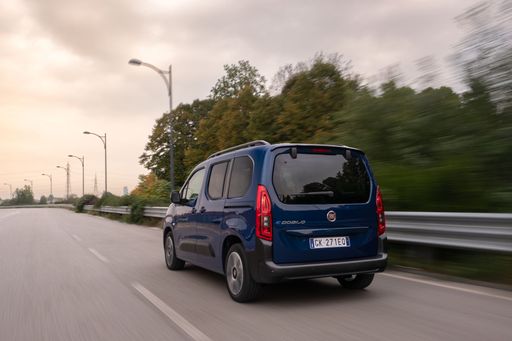
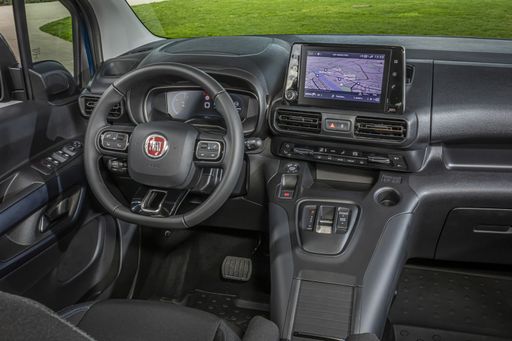
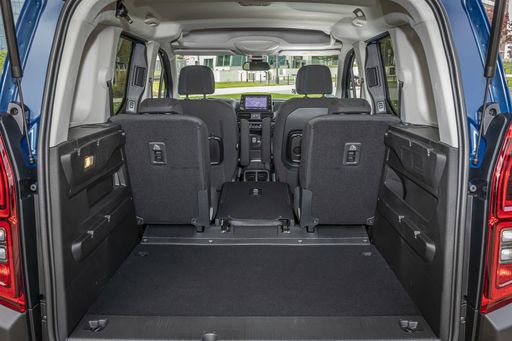
El Fiat Doblò, conocido coloquialmente como el Doblò, es una furgoneta trabajadora que destaca por su practicidad y un interior pensado para hacer la vida del profesional más fácil. No busca protagonismo estético, sino soluciones inteligentes de carga y una fiabilidad que te acompaña sin dramas día tras día.
detalles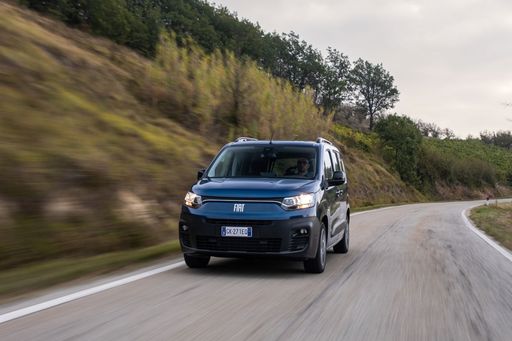
VW Caddy
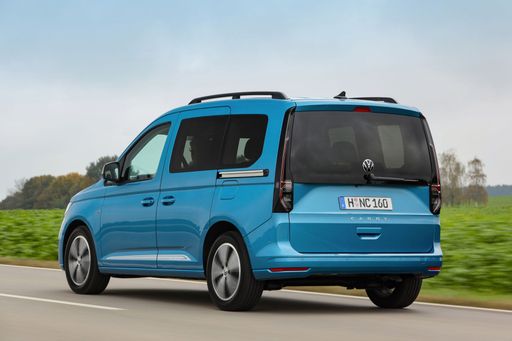
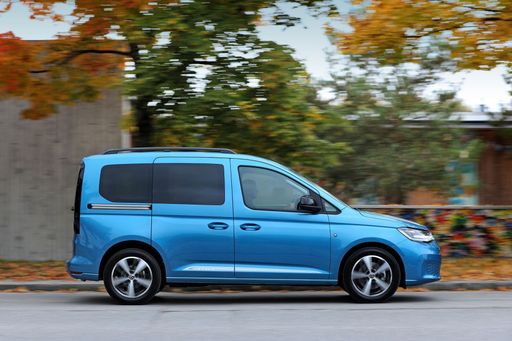
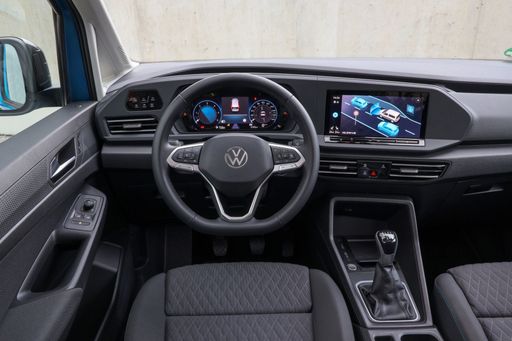
El Caddy es el comodín ideal para quien busca espacio y practicidad sin renunciar al confort; mezcla la versatilidad de una furgoneta con la facilidad de manejo de un turismo. Sencillo, funcional y con una discreta astucia, es el tipo de coche que no presume pero siempre te saca del apuro, tanto en el trabajo como en la escapada de fin de semana.
detalles
Fiat Doblò Van
VW Caddy
Costos y consumo |
|
|---|---|
|
Precio
26.300 - 41.200 €
|
Precio
34.200 - 54.400 €
|
|
Consumo L/100km
5,2 - 6,3 L/100km
|
Consumo L/100km
0,5 - 6,9 L/100km
|
|
Consumo kWh/100km
17,4 kWh/100km
|
Consumo kWh/100km
-
|
|
Autonomía eléctrica
354 km
|
Autonomía eléctrica
116 - 121 km
|
|
Capacidad de la batería
-
|
Capacidad de la batería
19,7 kWh
|
|
co2
0 - 143 g/km
|
co2
10 - 165 g/km
|
|
Capacidad del tanque
-
|
Capacidad del tanque
50 L
|
Dimensiones y carrocería |
|
|---|---|
|
Tipo de carrocería
Furgoneta de carga
|
Tipo de carrocería
Familiar de techo alto
|
|
Asientos
2 - 5
|
Asientos
5 - 7
|
|
Puertas
-
|
Puertas
5
|
|
Peso en vacío
1.329 - 1.813 kg
|
Peso en vacío
1.575 - 1.998 kg
|
|
Capacidad del maletero
-
|
Capacidad del maletero
-
|
|
Longitud
-
|
Longitud
4.500 - 4.853 mm
|
|
Anchura
1.848 mm
|
Anchura
1.855 mm
|
|
Altura
-
|
Altura
1.819 - 1.860 mm
|
|
Capacidad máxima del maletero
-
|
Capacidad máxima del maletero
2.556 - 3.700 L
|
|
Capacidad de carga
611 - 991 kg
|
Capacidad de carga
501 - 710 kg
|
Motor y rendimiento |
|
|---|---|
|
Tipo de motor
Gasolina, Diésel, Eléctrico
|
Tipo de motor
Gasolina, Diésel, Híbrido enchufable
|
|
Transmisión
Manual, Automática
|
Transmisión
Manual, Automática
|
|
Detalle de transmisión
Caja manual, Caja automática, Caja de reducción
|
Detalle de transmisión
Caja manual, Automático de doble embrague
|
|
Tipo de tracción
Tracción delantera
|
Tipo de tracción
Tracción delantera, Tracción total
|
|
Potencia CV
102 - 136 CV
|
Potencia CV
102 - 150 CV
|
|
Aceleración 0-100km/h
-
|
Aceleración 0-100km/h
11,4 - 14 s
|
|
Velocidad máxima
-
|
Velocidad máxima
173 - 186 km/h
|
|
Par motor
205 - 300 Nm
|
Par motor
220 - 320 Nm
|
|
Número de cilindros
3 - 4
|
Número de cilindros
4
|
|
Potencia kW
75 - 100 kW
|
Potencia kW
75 - 110 kW
|
|
Cilindrada
1.199 - 1.499 cm3
|
Cilindrada
1.498 - 1.968 cm3
|
General |
|
|---|---|
|
Año del modelo
2.024 - 2.025
|
Año del modelo
2024
|
|
Clase de eficiencia de CO2
E, A
|
Clase de eficiencia de CO2
E, F, B
|
|
Marca
Fiat
|
Marca
VW
|
DriveDuel utiliza análisis de datos e inteligencia artificial para evaluar datos de vehículos y crear contenidos. Los contenidos se revisan y mejoran regularmente.
Los precios mostrados son estimaciones basadas en los precios de lista alemanes, ajustados al IVA del país correspondiente. Los impuestos de matriculación específicos de cada país no están incluidos. Esta información no es legalmente vinculante.