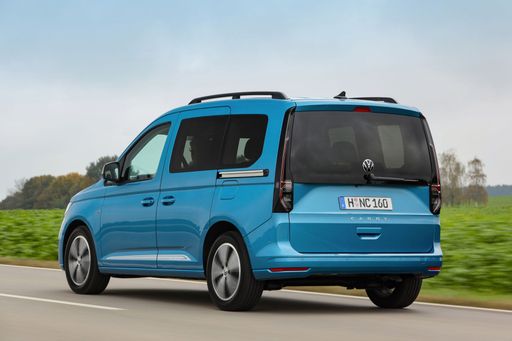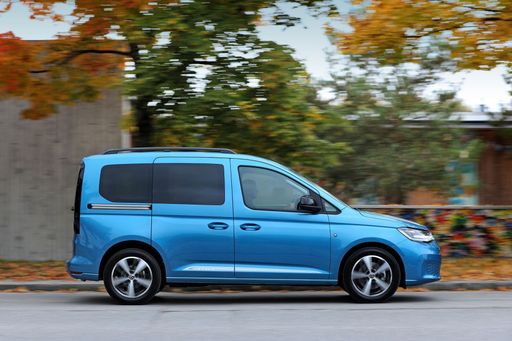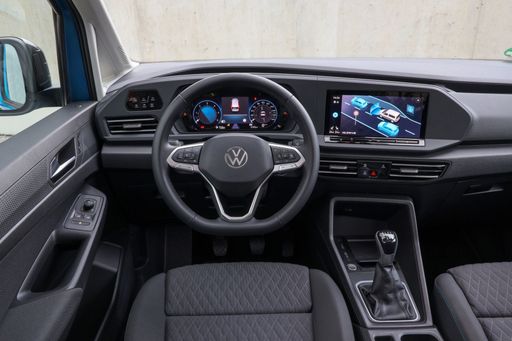
@ Volkswagen AG / VW Media
VS

Peugeot Partner vs VW Caddy – ¿Cuál es la mejor opción?

Compara de un vistazo rendimiento, maletero, consumo y precio.
Descubre ahora cuál es la mejor elección para ti – Peugeot Partner o VW Caddy.

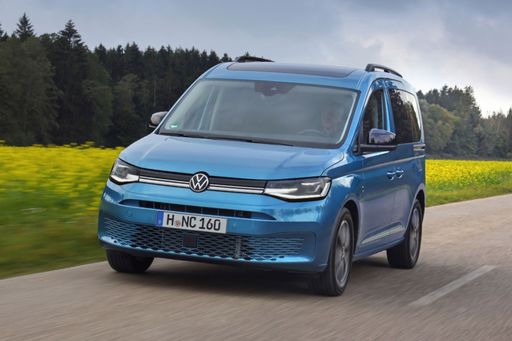
Caddy @ Volkswagen AG / VW Media

Peugeot Socio vs. VW Caddy: A Clash of Versatile Vans

The 2024 automotive market introduces two formidable contenders in the cargo-carrying van segment: the Peugeot Socio and the VW Caddy. Both models bring unique features and have their own take on efficiency, technology, and utility. Here, we delve into the technical aspects and innovations of each to determine which van might best suit your needs.

Caddy @ Volkswagen AG / VW Media

Engine Diversity and Performance

The Peugeot Socio offers a versatile range of powertrains. Buyers can choose between electric, diesel, and petrol engines. The electric variant delivers 136 HP with an impressive electric range of 354 km, while diesel and petrol options max out at 131 HP. It features either a reduction gearbox for the electric model or manual and automatic gearboxes for the combustion engines. The Socio’s torque peaks at 300 Nm, providing ample power for most cargo needs.

On the Caddy side, VW presents a choice between petrol, diesel, and plug-in hybrid powertrains. The hybrid boasts an electric range between 116 km and 121 km, while the petrol and diesel versions produce up to 150 HP, offering strong torque of 320 Nm. The Caddy provides manual and dual-clutch automatic transmissions for a smoother driving experience. The spectrum of engine options caters to various needs, from urban deliveries to longer hauls.

Caddy @ Volkswagen AG / VW Media

Efficiency and Environmentally Friendly Options

Emission-conscious buyers will appreciate the Socio’s electric model, which achieves a remarkable CO2 efficiency class of A. This variant emits 0 g/km of CO2, setting a high standard for eco-friendly vans. The diesel and petrol variants, however, have higher emissions in the range of 136-143 g/km, classified under efficiency class E.

VW’s Caddy offers a plug-in hybrid with reduced CO2 emissions, starting at just 11 g/km, and an efficiency class B. The conventional engines have higher emissions, ranging from 138 to 165 g/km. VW’s hybrid technology provides a strong case for those prioritizing sustainability while still offering the practicality of a high-roof wagon.

Caddy @ Volkswagen AG / VW Media

Loading Capacity and Dimensions

A key factor for many van buyers is cargo capacity. The Peugeot Socio boasts a substantial trunk capacity of 1800 liters and a payload ranging up to 991 kg, depending on the configuration. The length of the van stands at 4751 mm with a width of 1848 mm, making it spacious enough for various cargo demands.

The VW Caddy offers a slightly different setup with dimensions that cater more to passenger configurations. Its length ranges from 4500 mm to 4853 mm, and although its payload is slightly less, maxing at 710 kg, it offers more versatility in seat configurations, accommodating up to 7 passengers. This makes the Caddy a valuable option for those needing a multipurpose vehicle.

Technology and Modern Features

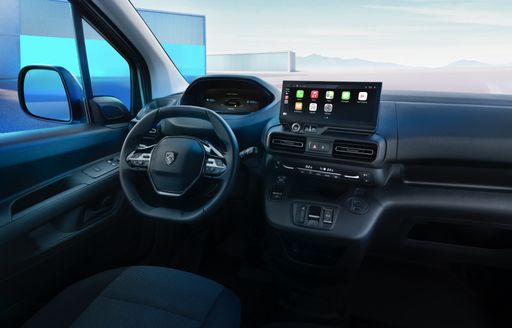
Both the Peugeot Socio and the VW Caddy emphasize technology and driver convenience. The Socio offers modern automatic and manual gearbox options tied to its advanced infotainment systems, particularly useful for commercial operators emphasizing efficiency and ease of use. Its electric variant also includes cutting-edge battery management systems to maximize range and efficiency.

VW's Caddy shines with its dual-clutch automatic transmission, providing a sleek, smooth drive. Coupled with an array of technological innovations, including adaptive cruise control and state-of-the-art navigation systems, the Caddy ensures drivers and passengers experience comfort and ease on the go.

Conclusion

In conclusion, the decision between the Peugeot Socio and the VW Caddy largely depends on specific requirements. For those seeking an environmentally friendly, versatile cargo van, the electric Socio is a commendable choice. Meanwhile, the VW Caddy, with its hybrid option and enhanced passenger capacity, speaks to families or businesses needing more from their vehicle than mere cargo transportation. Both models promise efficiency, reliability, and innovation in the ever-competitive world of commercial vehicles.

Aquí vienen los hechos: las diferencias técnicas en detalle

Costes y consumo

En términos de economía diaria, ambos modelos muestran contrastes interesantes.

Peugeot Partner tiene una ventaja claramente perceptible en precio: parte desde 27800 €, mientras que el VW Caddy cuesta 34500 €. La diferencia es de unos 6673 €.

También se aprecia una diferencia en el consumo: el VW Caddy gasta 0.50 L y es convincente más eficiente que el Peugeot Partner, que consume 5.20 L. La diferencia es de unos 4.70 L cada 100 km.

En autonomía, el Peugeot Partner ofrece un rendimiento convincente mejor: alcanza hasta 354 km, unos 233 km más que el VW Caddy.

Motor y rendimiento

Debajo del capó se descubre qué modelo tiene un carácter más deportivo y quién acelera mejor.

En cuanto a potencia, el VW Caddy tiene una ventaja mínimo: 150 HP frente a 136 HP. Eso supone un aumento de unos 14 HP CV.

En aceleración de 0 a 100 km/h, el Peugeot Partner es ligero más rápido: completa el sprint en 11.20 s, frente a 11.40 s del VW Caddy. Es aproximadamente 0.20 s más veloz.

En velocidad máxima, el VW Caddy es ligero superior – alcanza 186 km/h, mientras que el Peugeot Partner se queda en 183 km/h. La diferencia es de unos 3 km/h.

También hay diferencias en el par motor: el VW Caddy empuja apenas perceptible con 320 Nm frente a 300 Nm. La diferencia ronda los 20 Nm.

Espacio y practicidad

Ya sea coche familiar o compañero diario – ¿cuál ofrece más espacio, flexibilidad y confort?

Plazas: el VW Caddy ofrece notable más asientos – 7 frente a 5.

En peso en vacío, el Peugeot Partner es ligeramente más ligero – 1329 kg frente a 1575 kg. La diferencia ronda los 246 kg.

En capacidad máxima de carga, el Peugeot Partner es ligero mejor – hasta 4000 L, unos 300 L más que el VW Caddy.

En capacidad de carga útil, el Peugeot Partner claramente perceptible se impone – 991 kg frente a 710 kg. La diferencia es de unos 281 kg.

¿Quién gana la carrera?

El VW Caddy resulta ser supera en casi todos los aspectos y se convierte en nuestro ¡DriveDuel Champion!
En este comparativo, el VW Caddy demuestra ser el modelo más completo.

desde aprox. 34.500 €
Caddy @ Volkswagen AG / VW Media

VW Caddy

  • Tipo de motor : Gasolina, Diésel, Híbrido enchufable
  • Transmisión : Manuel, Automática
  • Tipo de tracción : Tracción delantera, Tracción total
  • Potencia HP : 102 - 150 HP
  • Consumo L/100km : 0.5 - 6.9 L
  • Autonomía eléctrica : 116 - 121 km

Peugeot Partner

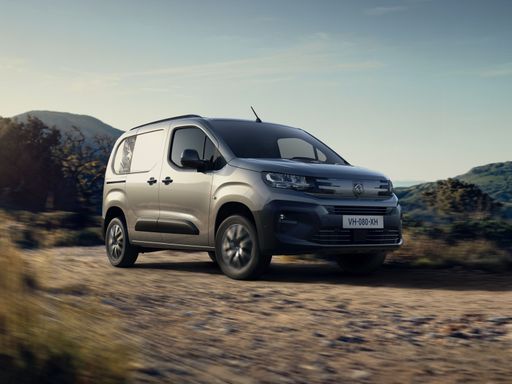
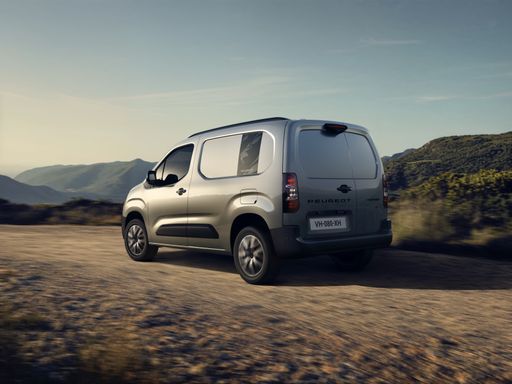
La Peugeot Partner es la compañera ideal para quien busca una furgoneta práctica y versátil, capaz de adaptarse tanto a la jornada laboral como a las escapadas del fin de semana. Su interior funcional y su conducción sin complicaciones la convierten en una opción sensata y económica, perfecta para los que necesitan llevar la oficina, el equipo o la familia sin demasiados dramas.

detalles

VW Caddy

El Caddy es el comodín ideal para quien busca espacio y practicidad sin renunciar al confort; mezcla la versatilidad de una furgoneta con la facilidad de manejo de un turismo. Sencillo, funcional y con una discreta astucia, es el tipo de coche que no presume pero siempre te saca del apuro, tanto en el trabajo como en la escapada de fin de semana.

detalles
Peugeot Partner
VW Caddy
Caddy @ Volkswagen AG / VW Media

Costos y consumo

Precio
27800 - 40100 €
Precio
34500 - 54400 €
Consumo L/100km
5.2 - 6.3 L
Consumo L/100km
0.5 - 6.9 L
Consumo kWh/100km
17.40 kWh
Consumo kWh/100km
-
Autonomía eléctrica
354 km
Autonomía eléctrica
116 - 121 km
Capacidad de la batería
-
Capacidad de la batería
19.70 kWh
co2
0 - 143 g/km
co2
10 - 165 g/km
Capacidad del tanque
53 - 61 L
Capacidad del tanque
50 L

Dimensiones y carrocería

Tipo de carrocería
Furgoneta de carga
Tipo de carrocería
Familiar de techo alto
Asientos
2 - 5
Asientos
5 - 7
Puertas
4 - 5
Puertas
5
Peso en vacío
1329 - 1813 kg
Peso en vacío
1575 - 1998 kg
Capacidad del maletero
1800 L
Capacidad del maletero
-
Longitud
4403 - 4753 mm
Longitud
4500 - 4853 mm
Anchura
1848 mm
Anchura
1855 mm
Altura
1796 - 1812 mm
Altura
1819 - 1860 mm
Capacidad máxima del maletero
3300 - 4000 L
Capacidad máxima del maletero
2556 - 3700 L
Capacidad de carga
611 - 991 kg
Capacidad de carga
501 - 710 kg

Motor y rendimiento

Tipo de motor
Eléctrico, Diésel, Gasolina
Tipo de motor
Gasolina, Diésel, Híbrido enchufable
Transmisión
Automática, Manuel
Transmisión
Manuel, Automática
Detalle de transmisión
Caja de reducción, Caja manual, Caja automática
Detalle de transmisión
Caja manual, Automático de doble embrague
Tipo de tracción
Tracción delantera
Tipo de tracción
Tracción delantera, Tracción total
Potencia HP
102 - 136 HP
Potencia HP
102 - 150 HP
Aceleración 0-100km/h
11.20 s
Aceleración 0-100km/h
11.4 - 14 s
Velocidad máxima
135 - 183 km/h
Velocidad máxima
173 - 186 km/h
Par motor
205 - 300 Nm
Par motor
220 - 320 Nm
Número de cilindros
3 - 4
Número de cilindros
4
Potencia kW
75 - 100 kW
Potencia kW
75 - 110 kW
Cilindrada
1199 - 1499 cm3
Cilindrada
1498 - 1968 cm3

General

Año del modelo
2024 - 2025
Año del modelo
2024
Clase de eficiencia de CO2
A, E
Clase de eficiencia de CO2
E, F, B
Marca
Peugeot
Marca
VW

Los precios y datos mostrados son estimaciones basadas en los precios de lista en Alemania y pueden variar según el país. Esta información no es legalmente vinculante.