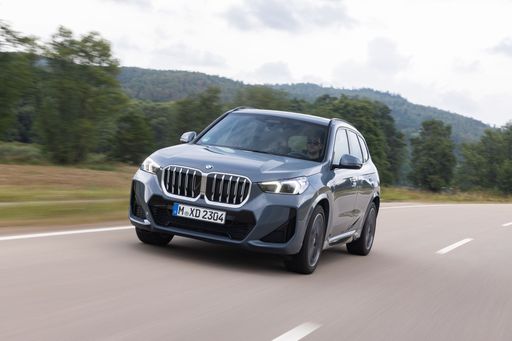
@ BMW Group Press
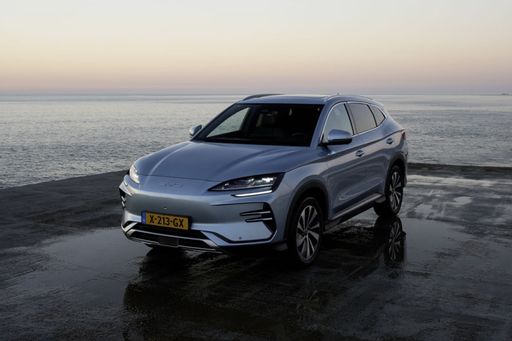
@ BYD Auto / BYD Global Media
VS

BMW X1 vs BYD Seal U – Diferencias y precios en comparación

Dos coches, un duelo: BMW X1 se enfrenta a BYD Seal U.
¿Quién gana en rendimiento, consumo y relación calidad-precio? ¡Descúbrelo ahora!

X1 @ BMW Group Press

Battle of the SUVs: BMW X1 vs. BYD Seal U

In the ever-evolving automotive landscape, SUVs continue to hold a significant share of the market due to their versatility and capability. Today, we delve into a compelling comparison between two popular SUVs: the 2024 BMW X1 and the BYD Seal U. Both models bring unique features to the table, aiming to capture the hearts and minds of modern drivers. We’ll take a closer look at their technical aspects, innovations, and design to help you decide which might suit your lifestyle best.

Seal U @ BYD Auto / BYD Global Media

Design and Dimensions

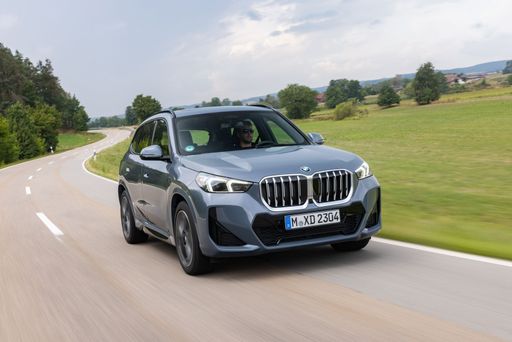
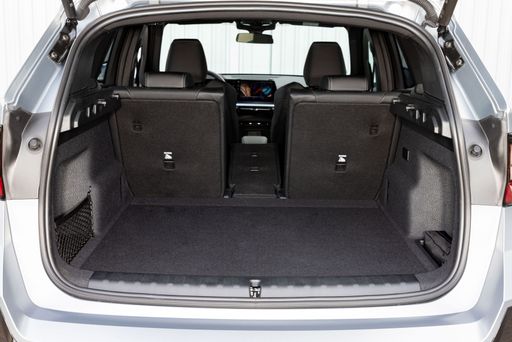
Starting with design, the BMW X1 showcases the classic aesthetic appeal expected from the brand, with a sleek body measuring approximately 4500 mm in length, 1845 mm in width, and a height of 1642 mm. The SUV emphasizes practicality with a trunk capacity ranging up to 540 liters, capable of accommodating the everyday needs of a small family.

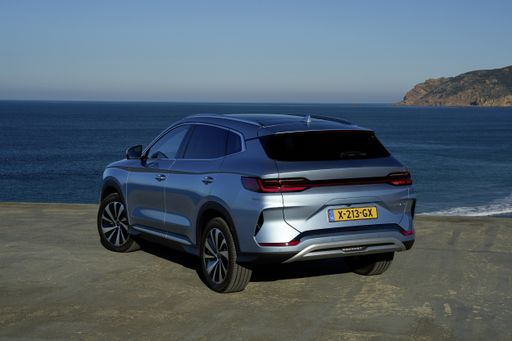
In contrast, the BYD Seal U steps up with a slightly larger frame, featuring a length of 4785 mm, a width of 1890 mm, and a height of 1670 mm. This additional space translates to more trunk capacity, up to 552 liters, providing an edge for those seeking more cargo space.

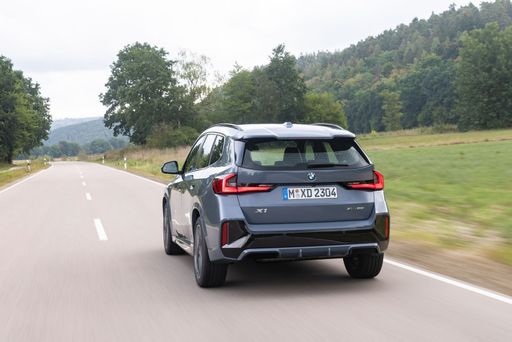
X1 @ BMW Group Press

Performance and Powertrain

The BMW X1 offers a variety of engines, including diesel, petrol, mild hybrid (MHEV), and a plug-in hybrid variant. With power outputs ranging from 136 to 326 HP, and an efficient electric range of 83 km in the plug-in hybrid version, the X1 is engineered to cater to different driving styles. Its maximum speed stretches up to an impressive 250 km/h, with the model featuring advanced transmission options such as dual-clutch automatic systems.

The BYD Seal U, on the other hand, brings its A-game with plugin hybrid and fully electric variants. Offering power between 218 and 324 HP, its top speed reaches 180 km/h. More impressively, its electric version boasts an exceptional range of up to 500 km, thanks to cutting-edge battery technology. Its streamlined power delivery via a CVT or Reduction Gearbox ensures smooth and efficient driving experiences.

Seal U @ BYD Auto / BYD Global Media

Efficiency and Sustainability

Efficiency remains a focal point in today's automotive world. The BMW X1’s consumption ranges from 4.6 to 7.7 L/100km with CO2 emissions as low as 17 g/km for its hybrid model, reinforcing BMW’s commitment towards sustainable mobility. The CO2 efficiency varies across classes from B to F, depending on the option chosen.

Alternatively, the BYD Seal U achieves impressive sustainability credentials, particularly in its electric version. With consumption between 19.9 to 20.5 kWh/100km and zero CO2 emissions for the electric model, it stands as a strong contender for the eco-conscious consumer. Even its hybrid version boasts a commendable consumption of 0.9 to 1.2 L/100km, with CO2 readings between 0 and 26 g/km.

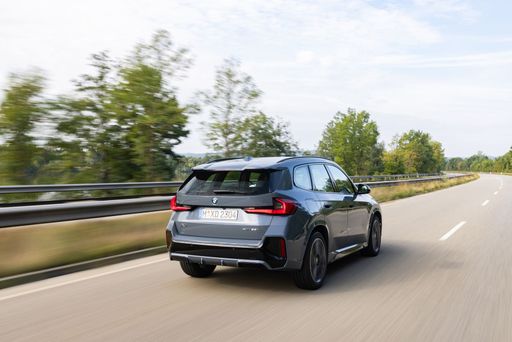
X1 @ BMW Group Press

In-Car Innovations

A glance inside both SUVs reveals innovative technologies worthy of mention. The BMW X1 features advanced infotainment systems and driving aids, presenting a premium feel synonymous with the brand. It offers seating for five and maintains a comfortable ride regardless of occupancy.

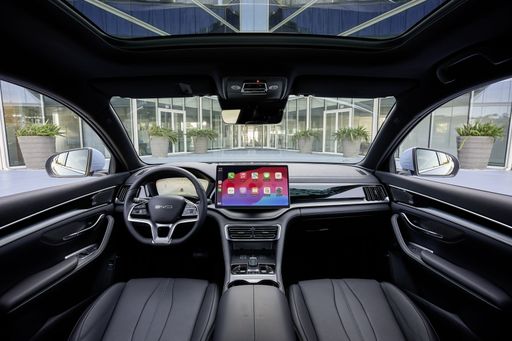
The BYD Seal U excels with its cutting-edge digital interfaces and innovative connectivity features. Its focus on modern tech appeals to those looking for state-of-the-art interfaces, augmented by high levels of convenience and comfort. Its cabin maintains ample space and smart ergonomics, ensuring enjoyable journeys.

Seal U @ BYD Auto / BYD Global Media

The Verdict

In conclusion, the battle between the BMW X1 and BYD Seal U presents two compelling options for SUV enthusiasts. The BMW X1 offers a wide array of powertrain options, robust performance, and traditional luxury. Meanwhile, the BYD Seal U emerges as a leader in electric mobility with remarkable range and innovation in eco-friendly technologies.

Ultimately, your choice boils down to your priorities: whether you value the established brand prestige and driving dynamics of the BMW X1 or the pioneering electric capabilities and modernity of the BYD Seal U. Both SUVs stand out, beckoning different types of drivers into the future of automotive excellence.

Aquí vienen los hechos: las diferencias técnicas en detalle

X1 @ BMW Group Press

Costes y consumo

El precio y la eficiencia suelen ser los primeros criterios. Aquí se ve qué modelo mantiene la ventaja a largo plazo, ya sea repostando, cargando o al comprar.

BYD Seal U tiene una ventaja un poco en precio: parte desde 40700 €, mientras que el BMW X1 cuesta 47500 €. La diferencia es de unos 6841 €.

También se aprecia una diferencia en el consumo: el BYD Seal U gasta 0.40 L y es convincente más eficiente que el BMW X1, que consume 2.50 L. La diferencia es de unos 2.10 L cada 100 km.

En autonomía, el BYD Seal U ofrece un rendimiento convincente mejor: alcanza hasta 500 km, unos 419 km más que el BMW X1.

Motor y rendimiento

Potencia, par motor y aceleración dicen mucho sobre la experiencia de conducción. Aquí se ve cuál ofrece más dinamismo.

En cuanto a potencia, el BMW X1 tiene una ventaja mínimo: 326 HP frente a 324 HP. Eso supone un aumento de unos 2 HP CV.

En aceleración de 0 a 100 km/h, el BMW X1 es apenas perceptible más rápido: completa el sprint en 5.40 s, frente a 5.90 s del BYD Seal U. Es aproximadamente 0.50 s más veloz.

En velocidad máxima, el BMW X1 es notable superior – alcanza 250 km/h, mientras que el BYD Seal U se queda en 180 km/h. La diferencia es de unos 70 km/h.

También hay diferencias en el par motor: el BYD Seal U empuja un poco con 550 Nm frente a 477 Nm. La diferencia ronda los 73 Nm.

Espacio y practicidad

Ya sea coche familiar o compañero diario – ¿cuál ofrece más espacio, flexibilidad y confort?

Ambos modelos ofrecen espacio suficiente para 5 personas.

En peso en vacío, el BMW X1 es distinto más ligero – 1575 kg frente a 1940 kg. La diferencia ronda los 365 kg.

En capacidad de maletero, el BYD Seal U ofrece apenas perceptible más espacio – 552 L frente a 540 L. La diferencia es de unos 12 L.

En capacidad máxima de carga, el BMW X1 es apenas perceptible mejor – hasta 1600 L, unos 135 L más que el BYD Seal U.

En capacidad de carga útil, el BMW X1 un poco se impone – 500 kg frente a 410 kg. La diferencia es de unos 90 kg.

¿Quién gana la carrera?

El BYD Seal U resulta ser gana el duelo de forma contundente y se convierte en nuestro ¡DriveDuel Champion!
En este comparativo, el BYD Seal U demuestra ser el modelo más completo.

desde aprox. 40.700 €
Seal U @ BYD Auto / BYD Global Media

BYD Seal U

  • Tipo de motor : Híbrido enchufable, Eléctrico
  • Transmisión : Automática
  • Tipo de tracción : Tracción delantera, Tracción total
  • Potencia HP : 218 - 324 HP
  • Consumo L/100km : 0.4 - 1.2 L
  • Consumo kWh/100km : 19.9 - 20.5 kWh
  • Autonomía eléctrica : 70 - 500 km

BMW X1

3.7 (3)
valorar

El BMW X1 combina la presencia de un SUV con la agilidad de un compacto, ofreciendo un interior práctico y un diseño que no pasa desapercibido. Para quien busca versatilidad y una experiencia de conducción con toque premium, el X1 es una apuesta sensata que añade un punto de diversión al día a día.

detalles

BYD Seal U

5 (1)
valorar

El BYD Seal U luce como un coupé moderno que no pasa desapercibido, con líneas limpias y un perfil dinámico que promete diversión sin complicaciones. Dentro sorprende por su ambiente cuidado y tecnología intuitiva, convirtiéndolo en una alternativa atractiva para quien quiere electrificación con carácter y sin dramas.

detalles
BMW X1
BYD Seal U
X1 @ BMW Group Press
Seal U @ BYD Auto / BYD Global Media

Costos y consumo

Precio
47500 - 72300 €
Precio
40700 - 47300 €
Consumo L/100km
2.5 - 7.7 L
Consumo L/100km
0.4 - 1.2 L
Consumo kWh/100km
-
Consumo kWh/100km
19.9 - 20.5 kWh
Autonomía eléctrica
81 km
Autonomía eléctrica
70 - 500 km
Capacidad de la batería
14.20 kWh
Capacidad de la batería
-
co2
57 - 175 g/km
co2
0 - 26 g/km
Capacidad del tanque
47 - 54 L
Capacidad del tanque
60 L

Dimensiones y carrocería

Tipo de carrocería
SUV
Tipo de carrocería
SUV
Asientos
5
Asientos
5
Puertas
5
Puertas
5
Peso en vacío
1575 - 1935 kg
Peso en vacío
1940 - 2147 kg
Capacidad del maletero
490 - 540 L
Capacidad del maletero
425 - 552 L
Longitud
4500 - 4505 mm
Longitud
4775 - 4785 mm
Anchura
1845 mm
Anchura
1890 mm
Altura
1622 - 1642 mm
Altura
1668 - 1670 mm
Capacidad máxima del maletero
1495 - 1600 L
Capacidad máxima del maletero
1440 - 1465 L
Capacidad de carga
490 - 500 kg
Capacidad de carga
410 kg

Motor y rendimiento

Tipo de motor
Híbrido ligero diésel, Híbrido ligero gasolina, Gasolina, Diésel, Híbrido enchufable
Tipo de motor
Híbrido enchufable, Eléctrico
Transmisión
Automática
Transmisión
Automática
Detalle de transmisión
Automático de doble embrague
Detalle de transmisión
Transmisión CVT, Caja de reducción
Tipo de tracción
Tracción delantera, Tracción total
Tipo de tracción
Tracción delantera, Tracción total
Potencia HP
136 - 326 HP
Potencia HP
218 - 324 HP
Aceleración 0-100km/h
5.4 - 9.2 s
Aceleración 0-100km/h
5.9 - 9.6 s
Velocidad máxima
190 - 250 km/h
Velocidad máxima
170 - 180 km/h
Par motor
230 - 477 Nm
Par motor
300 - 550 Nm
Número de cilindros
3 - 4
Número de cilindros
4
Potencia kW
100 - 240 kW
Potencia kW
160 - 238 kW
Cilindrada
1499 - 1998 cm3
Cilindrada
1497 - 1498 cm3

General

Año del modelo
2024 - 2025
Año del modelo
2024
Clase de eficiencia de CO2
D, E, F, B
Clase de eficiencia de CO2
B, A
Marca
BMW
Marca
BYD
¿El BMW X1 se ofrece con distintas tracciones?

El BMW X1 se ofrece con Tracción delantera o Tracción total.

Los precios y datos mostrados son estimaciones basadas en los precios de lista en Alemania y pueden variar según el país. Esta información no es legalmente vinculante.