
 Deutschland
 France
 Nederland
 Great Britain
 Sverige
 Danmark
 Suomi
Suomi Italia
 Polska
 Česko
Česko España
VS
Hyundai i10 vs Skoda Fabia comparativa
Compara la potencia (90 CV vs 177 CV), el maletero y el precio (17.300 € vs 20.500 € ) de un vistazo. Descubre cuál es la mejor opción para ti: Hyundai i10 o Skoda Fabia.
Hyundai i10 vs Skoda Fabia: las principales diferencias
Todos los detalles sobre potencia, consumo, autonomía y maletero se encuentran en la comparación técnica más abajo, donde también podrás ver las opiniones de los usuarios sobre ambos modelos.
i10
Costes y consumo
Al comparar precio y eficiencia suelen verse las mayores diferencias. Así se descubre cuál encaja mejor en el presupuesto a largo plazo.
El Hyundai i10 es algo más barato: parte desde 17.300 € , mientras que el Skoda Fabia cuesta 20.500 € . La diferencia es de unos 3.254 €.
Ambos vehículos consumen una media de 4,9 L/100km – sin diferencias significativas.
Fabia
Motor y rendimiento
Potencia, par motor y aceleración son las cifras clásicas para los amantes del motor – y aquí aparecen diferencias notables.
En potencia, el Skoda Fabia ofrece significativamente más potencia: 177 CV frente a 90 CV. Eso supone unos 87 CV de diferencia.
En la aceleración de 0 a 100 km/h, el Skoda Fabia es considerablemente más rápido: completa el sprint en 7,4 s, frente a 11,4 s del Hyundai i10. La diferencia es de unos 4 s.
También hay diferencias en el par motor: el Skoda Fabia ofrece claramente más par, con 250 Nm frente a 172 Nm. La diferencia ronda los 78 Nm.
i10
Espacio y practicidad
Más allá del rendimiento, el confort y el espacio interior son clave. Aquí se decide cuál es más práctico y versátil.
Ambos modelos ofrecen espacio suficiente para 5 personas.
En el peso en vacío, el Hyundai i10 es ligeramente más ligero – 996 kg frente a 1.143 kg. La diferencia ronda los 147 kg.
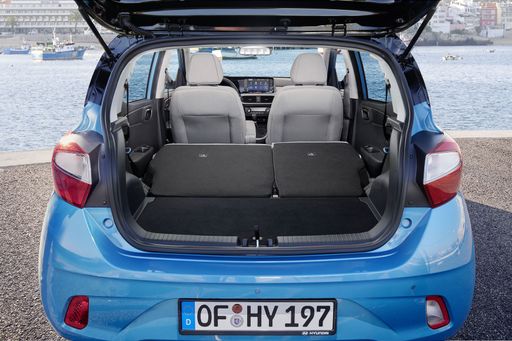
En capacidad de maletero, el Skoda Fabia ofrece de forma evidente más espacio – 380 L frente a 252 L. La diferencia es de unos 128 L.
En carga útil, el Skoda Fabia ofrece muy ligeramente más capacidad – 437 kg frente a 423 kg. La diferencia es de unos 14 kg.
¿Quién gana la carrera en el análisis de datos?
Skoda Fabia es claramente superior en la comparación objetiva de datos.
Esta evaluación solo muestra qué modelo obtiene más puntos sobre el papel – no cuál de los dos coches se siente adecuado para ti.
desde 20.500 €
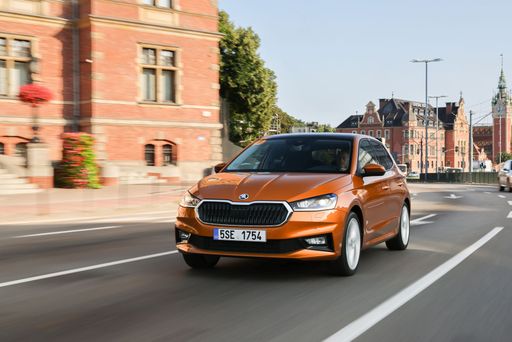
Skoda Fabia
Hyundai i10
Skoda Fabia
Costos y consumo
Ver análisis detallado
Ver análisis detallado
Motor y rendimiento
Ver análisis detallado
Ver análisis detallado
Dimensiones y carrocería
Ver análisis detallado
Ver análisis detallado
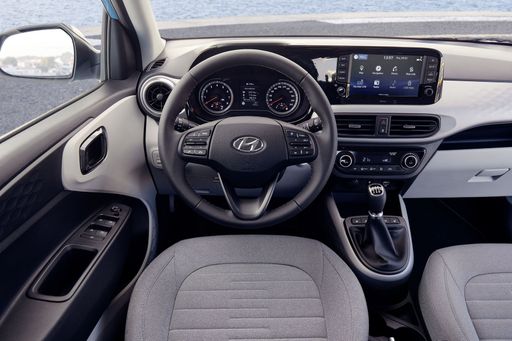
Hyundai i10
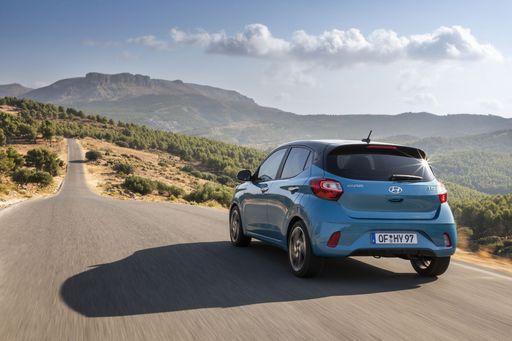
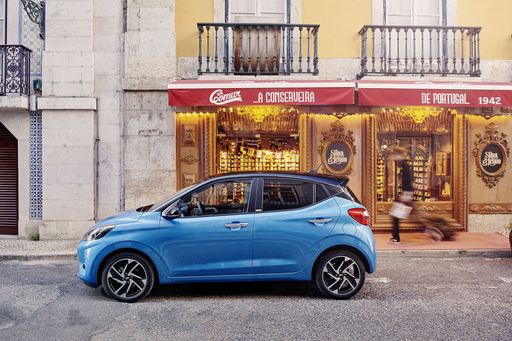
El Hyundai i10 es el urbano que sabe sacarle partido a cada centímetro de ciudad, fácil de aparcar y con una puesta a punto pensada para el día a día. No renuncia a detalles prácticos y a un interior más cuidado de lo que su tamaño sugiere, así que si buscas economía sin dramas, este pequeñín puede darte muchas alegrías.
detalles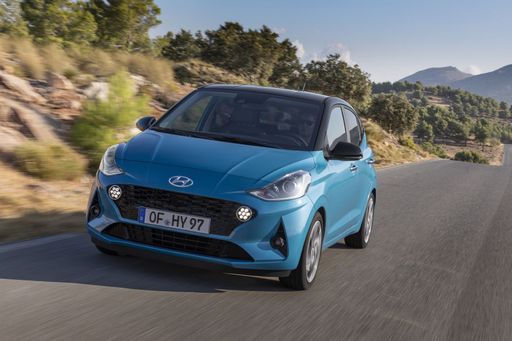
Skoda Fabia
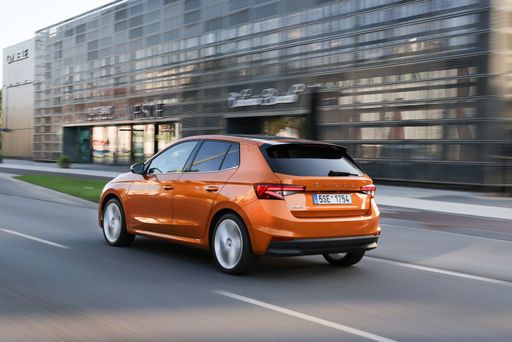
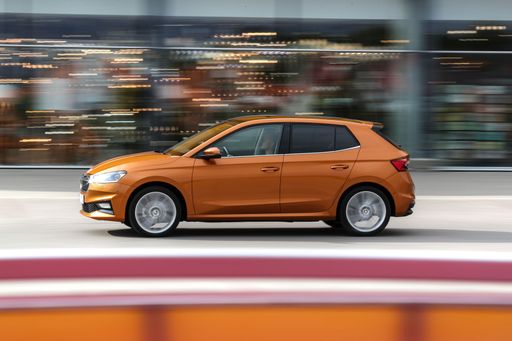
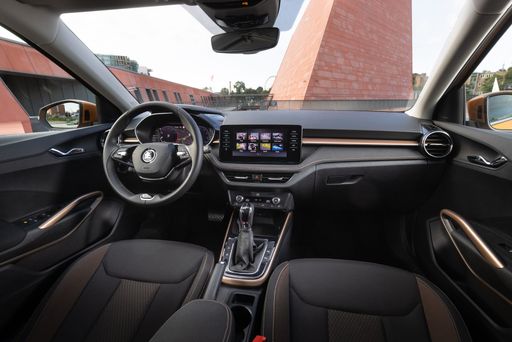
La Skoda Fabia es un utilitario sorprendentemente espacioso y práctico, capaz de convertir lo cotidiano en algo cómodo y sin complicaciones. Su manejo ágil, consumo contenido y equipamiento bien pensado la convierten en una opción inteligente y con buena relación calidad-precio para el comprador sensato que no busca alardes sino sentido común sobre ruedas.
detalles

Hyundai i10
Skoda Fabia
Costos y consumo |
|
|---|---|
|
Precio
17.300 - 23.400 €
|
Precio
20.500 - 37.500 €
|
|
Consumo L/100km
4,9 - 5,5 L/100km
|
Consumo L/100km
4,9 - 5,6 L/100km
|
|
Consumo kWh/100km
-
|
Consumo kWh/100km
-
|
|
Autonomía eléctrica
-
|
Autonomía eléctrica
-
|
|
Capacidad de la batería
-
|
Capacidad de la batería
-
|
|
co2
110 - 124 g/km
|
co2
112 - 126 g/km
|
|
Capacidad del tanque
36 L
|
Capacidad del tanque
-
|
Dimensiones y carrocería |
|
|---|---|
|
Tipo de carrocería
Hatchback
|
Tipo de carrocería
Hatchback
|
|
Asientos
4 - 5
|
Asientos
5
|
|
Puertas
5
|
Puertas
-
|
|
Peso en vacío
996 - 1.099 kg
|
Peso en vacío
1.143 - 1.278 kg
|
|
Capacidad del maletero
252 L
|
Capacidad del maletero
380 L
|
|
Longitud
3.670 - 3.675 mm
|
Longitud
-
|
|
Anchura
1.680 mm
|
Anchura
1.780 mm
|
|
Altura
1.480 - 1.483 mm
|
Altura
-
|
|
Capacidad máxima del maletero
1.050 L
|
Capacidad máxima del maletero
-
|
|
Capacidad de carga
344 - 423 kg
|
Capacidad de carga
402 - 437 kg
|
Motor y rendimiento |
|
|---|---|
|
Tipo de motor
Gasolina
|
Tipo de motor
Gasolina
|
|
Transmisión
Manual, Automática
|
Transmisión
Manual, Automática
|
|
Detalle de transmisión
Caja manual, Manual automatizado
|
Detalle de transmisión
Caja manual, Automático de doble embrague
|
|
Tipo de tracción
Tracción delantera
|
Tipo de tracción
Tracción delantera
|
|
Potencia CV
63 - 90 CV
|
Potencia CV
80 - 177 CV
|
|
Aceleración 0-100km/h
11,4 - 18,4 s
|
Aceleración 0-100km/h
7,4 - 15,7 s
|
|
Velocidad máxima
143 - 175 km/h
|
Velocidad máxima
-
|
|
Par motor
93 - 172 Nm
|
Par motor
93 - 250 Nm
|
|
Número de cilindros
3 - 4
|
Número de cilindros
3 - 4
|
|
Potencia kW
46 - 66 kW
|
Potencia kW
59 - 130 kW
|
|
Cilindrada
998 - 1.197 cm3
|
Cilindrada
999 - 1.498 cm3
|
General |
|
|---|---|
|
Año del modelo
2024
|
Año del modelo
2025
|
|
Clase de eficiencia de CO2
C, D
|
Clase de eficiencia de CO2
D, C
|
|
Marca
Hyundai
|
Marca
Skoda
|
DriveDuel utiliza análisis de datos e inteligencia artificial para evaluar datos de vehículos y crear contenidos. Los contenidos se revisan y mejoran regularmente.
Los precios mostrados son estimaciones basadas en los precios de lista alemanes, ajustados al IVA del país correspondiente. Los impuestos de matriculación específicos de cada país no están incluidos. Esta información no es legalmente vinculante.