
 Deutschland
 France
 Nederland
 Great Britain
 Sverige
 Danmark
 Suomi
Suomi Italia
 Polska
 Česko
Česko España
VS
Jaguar F-Pace vs Porsche Cayenne comparativa
Compara la potencia (575 CV vs 1.156 CV), el maletero y el precio (72.300 € vs 107.000 € ) de un vistazo. Descubre cuál es la mejor opción para ti: Jaguar F-Pace o Porsche Cayenne.
Jaguar F-Pace vs Porsche Cayenne: las principales diferencias
Todos los detalles sobre potencia, consumo, autonomía y maletero se encuentran en la comparación técnica más abajo, donde también podrás ver las opiniones de los usuarios sobre ambos modelos.
F-Pace
Costes y consumo
El precio y la eficiencia son factores clave al comprar un coche – y aquí suelen notarse las diferencias reales.
El Jaguar F-Pace es considerablemente más barato: parte desde 72.300 € , mientras que el Porsche Cayenne cuesta 107.000 € . La diferencia es de unos 34.671 €.
También hay diferencias en el consumo: el Jaguar F-Pace consume de forma notable menos, con 1,8 L/100km frente a los 4 L/100km del Porsche Cayenne. La diferencia es de unos 2,2 L/100km
En cuanto a la autonomía eléctrica, el Porsche Cayenne ofrece considerablemente más autonomía: alcanza hasta 668 km, unos 604 km más que el Jaguar F-Pace.
Cayenne
Motor y rendimiento
Potencia, par motor y aceleración son las cifras clásicas para los amantes del motor – y aquí aparecen diferencias notables.
En potencia, el Porsche Cayenne ofrece considerablemente más potencia: 1.156 CV frente a 575 CV. Eso supone unos 581 CV de diferencia.
En la aceleración de 0 a 100 km/h, el Porsche Cayenne es de forma notable más rápido: completa el sprint en 2,5 s, frente a 4 s del Jaguar F-Pace. La diferencia es de unos 1,5 s.
También hay diferencias en el par motor: el Porsche Cayenne ofrece claramente más par, con 1.500 Nm frente a 700 Nm. La diferencia ronda los 800 Nm.
F-Pace
Espacio y practicidad
Ya sea coche familiar o compañero diario – ¿cuál ofrece más espacio, flexibilidad y confort?
Ambos modelos ofrecen espacio suficiente para 5 personas.
En el peso en vacío, el Jaguar F-Pace es marginalmente más ligero – 1.951 kg frente a 2.130 kg. La diferencia ronda los 179 kg.
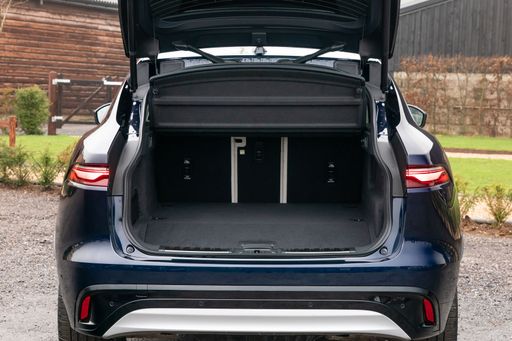
En capacidad de maletero, el Porsche Cayenne ofrece claramente más espacio – 781 L frente a 470 L. La diferencia es de unos 311 L.
En carga útil, el Porsche Cayenne ofrece en cierta medida más capacidad – 705 kg frente a 589 kg. La diferencia es de unos 116 kg.
¿Quién gana la carrera en el análisis de datos?
Porsche Cayenne domina la comparación en la comparación objetiva de datos.
Esta evaluación solo muestra qué modelo obtiene más puntos sobre el papel – no cuál de los dos coches se siente adecuado para ti.
desde 107.000 €
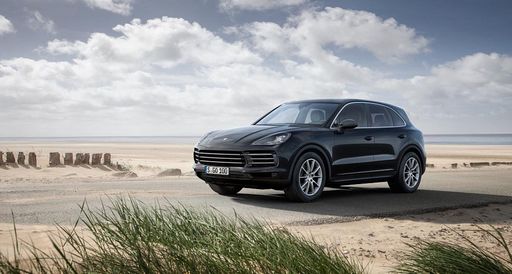
Porsche Cayenne
Jaguar F-Pace
Porsche Cayenne
Costos y consumo
Ver análisis detallado
Ver análisis detallado
Motor y rendimiento
Ver análisis detallado
Ver análisis detallado
Dimensiones y carrocería
Ver análisis detallado
Ver análisis detallado
Jaguar F-Pace
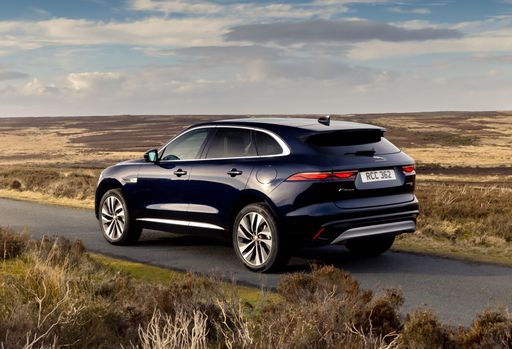
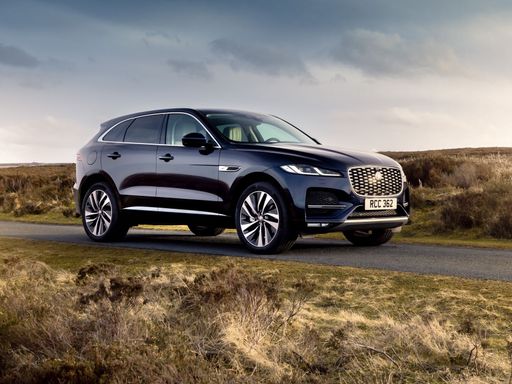
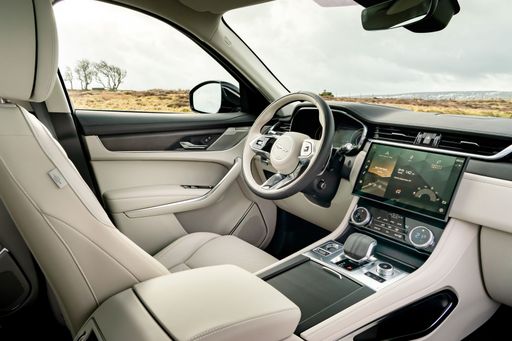
El Jaguar F-Pace mezcla la elegancia de un deportivo con la altura y la practicidad de un SUV, y su presencia en carretera no pasa desapercibida. Para quien busca lujo con un toque de emoción cotidiana, el F-Pace es como llevar un traje a medida que además se divierte en cada curva.
detalles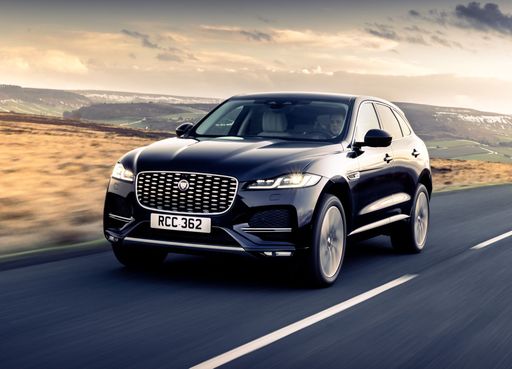
Porsche Cayenne
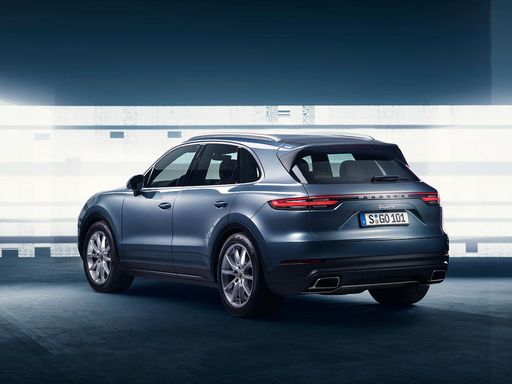
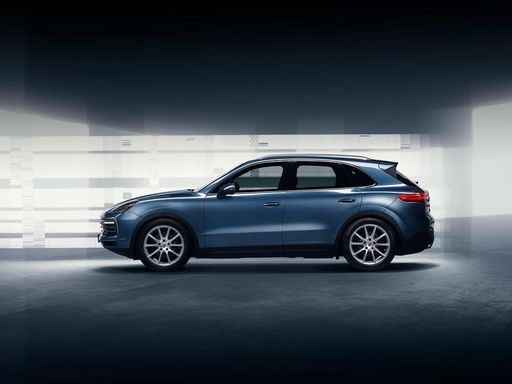
El Porsche Cayenne combina la fibra de un deportivo con la presencia y la versatilidad de un SUV premium, transformando cualquier trayecto en su territorio preferido. Si buscas lujo sin renunciar a la diversión al volante y un coche que impresione tanto por confort como por carácter, el Cayenne es una apuesta difícil de ignorar.
detalles
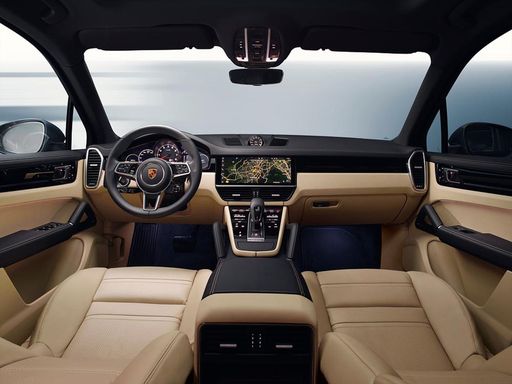
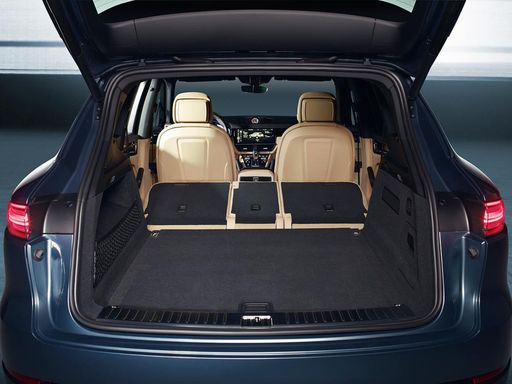
Jaguar F-Pace
Porsche Cayenne
Costos y consumo |
|
|---|---|
|
Precio
72.300 - 134.200 €
|
Precio
107.000 - 171.300 €
|
|
Consumo L/100km
1,8 - 12 L/100km
|
Consumo L/100km
4 - 11 L/100km
|
|
Consumo kWh/100km
-
|
Consumo kWh/100km
18,9 - 20,6 kWh/100km
|
|
Autonomía eléctrica
64 km
|
Autonomía eléctrica
74 - 668 km
|
|
Capacidad de la batería
15,4 kWh
|
Capacidad de la batería
-
|
|
co2
41 - 274 g/km
|
co2
0 - 249 g/km
|
|
Capacidad del tanque
62 - 83 L
|
Capacidad del tanque
-
|
Dimensiones y carrocería |
|
|---|---|
|
Tipo de carrocería
SUV
|
Tipo de carrocería
SUV
|
|
Asientos
5
|
Asientos
4 - 5
|
|
Puertas
5
|
Puertas
-
|
|
Peso en vacío
1.951 - 2.230 kg
|
Peso en vacío
2.130 - 2.725 kg
|
|
Capacidad del maletero
354 - 470 L
|
Capacidad del maletero
434 - 781 L
|
|
Longitud
4.747 - 4.762 mm
|
Longitud
-
|
|
Anchura
1.936 mm
|
Anchura
1.980 - 1.983 mm
|
|
Altura
1.664 - 1.670 mm
|
Altura
-
|
|
Capacidad máxima del maletero
1.299 - 1.428 L
|
Capacidad máxima del maletero
-
|
|
Capacidad de carga
457 - 589 kg
|
Capacidad de carga
525 - 705 kg
|
Motor y rendimiento |
|
|---|---|
|
Tipo de motor
Híbrido ligero diésel, Híbrido ligero gasolina, Híbrido enchufable, Gasolina
|
Tipo de motor
Gasolina, Híbrido enchufable, Eléctrico
|
|
Transmisión
Automática
|
Transmisión
Automática
|
|
Detalle de transmisión
Caja automática
|
Detalle de transmisión
Caja automática, Caja de reducción
|
|
Tipo de tracción
Tracción total
|
Tipo de tracción
Tracción total
|
|
Potencia CV
163 - 575 CV
|
Potencia CV
353 - 1.156 CV
|
|
Aceleración 0-100km/h
4 - 10,1 s
|
Aceleración 0-100km/h
2,5 - 6 s
|
|
Velocidad máxima
195 - 286 km/h
|
Velocidad máxima
-
|
|
Par motor
380 - 700 Nm
|
Par motor
500 - 1.500 Nm
|
|
Número de cilindros
4 - 8
|
Número de cilindros
6
|
|
Potencia kW
120 - 423 kW
|
Potencia kW
260 - 850 kW
|
|
Cilindrada
1.997 - 5.000 cm3
|
Cilindrada
2.995 cm3
|
General |
|
|---|---|
|
Año del modelo
2024
|
Año del modelo
2.025 - 2.026
|
|
Clase de eficiencia de CO2
G, B
|
Clase de eficiencia de CO2
G, B, A
|
|
Marca
Jaguar
|
Marca
Porsche
|
DriveDuel utiliza análisis de datos e inteligencia artificial para evaluar datos de vehículos y crear contenidos. Los contenidos se revisan y mejoran regularmente.
Los precios mostrados son estimaciones basadas en los precios de lista alemanes, ajustados al IVA del país correspondiente. Los impuestos de matriculación específicos de cada país no están incluidos. Esta información no es legalmente vinculante.