
 Deutschland
 France
 Nederland
 Great Britain
 Sverige
 Danmark
 Suomi
Suomi Italia
 Polska
 Česko
Česko España
VS
Nissan Interstar vs Renault Master Bus comparativa
Compara la potencia (170 CV vs 180 CV), el maletero y el precio (46.400 € vs 48.700 € ) de un vistazo. Descubre cuál es la mejor opción para ti: Nissan Interstar o Renault Master Bus.
Interstar
Costes y consumo
El precio y la eficiencia son factores clave al comprar un coche – y aquí suelen notarse las diferencias reales.
El Nissan Interstar es casi más barato: parte desde 46.400 € , mientras que el Renault Master Bus cuesta 48.700 € . La diferencia es de unos 2.342 €.
También hay diferencias en el consumo: el Nissan Interstar consume ligeramente menos, con 7,5 L/100km frente a los 8,7 L/100km del Renault Master Bus. La diferencia es de unos 1,2 L/100km
Master Bus
Motor y rendimiento
Potencia, par motor y aceleración dicen mucho sobre la experiencia de conducción. Aquí se ve cuál ofrece más dinamismo.
En potencia, el Renault Master Bus ofrece muy ligeramente más potencia: 180 CV frente a 170 CV. Eso supone unos 10 CV de diferencia.
También hay diferencias en el par motor: el Renault Master Bus ofrece muy ligeramente más par, con 400 Nm frente a 380 Nm. La diferencia ronda los 20 Nm.
Espacio y practicidad
Más allá del rendimiento, el confort y el espacio interior son clave. Aquí se decide cuál es más práctico y versátil.
Plazas: el Renault Master Bus ofrece más plazas – 9 frente a 3.
En el peso en vacío, el Nissan Interstar es casi más ligero – 2.053 kg frente a 2.189 kg. La diferencia ronda los 136 kg.
En carga útil, el Nissan Interstar ofrece ligeramente más capacidad – 1.447 kg frente a 1.254 kg. La diferencia es de unos 193 kg.
¿Quién gana la carrera en el análisis de datos?
Nissan Interstar lidera claramente en el balance general en la comparación objetiva de datos.
Esta evaluación solo muestra qué modelo obtiene más puntos sobre el papel – no cuál de los dos coches se siente adecuado para ti.
desde 46.400 €
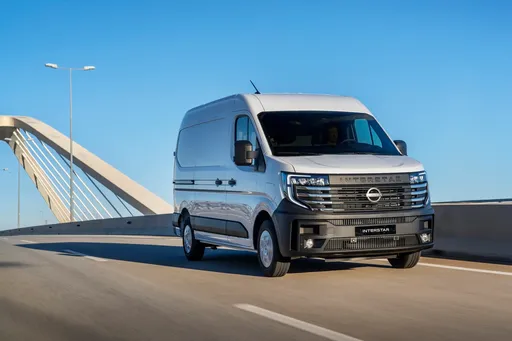
Nissan Interstar
Nissan Interstar
Renault Master Bus
Costos y consumo
Ver análisis detallado
Ver análisis detallado
Motor y rendimiento
Ver análisis detallado
Ver análisis detallado
Dimensiones y carrocería
Ver análisis detallado
Ver análisis detallado
Nissan Interstar
El Nissan Interstar es la furgoneta de batalla para quien necesita espacio y fiabilidad sin complicaciones, con un diseño práctico y una habitabilidad pensada para el trabajo duro. En carretera sorprende por su conducción dócil y por mantener los costes bajos, convirtiéndolo en una opción sensata para empresas y autónomos que buscan eficiencia y cero dramas.
detalles
Renault Master Bus
El Renault Master se presenta como una solución robusta y versátil para el transporte de personas, con espacio y modularidad pensados para el trabajo diario. En carretera resulta confortable y fiable, con una presencia profesional que convence tanto a conductores exigentes como a empresas que buscan practicidad sin dramas.
detalles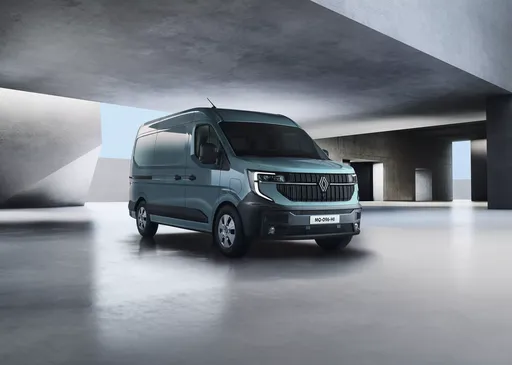
Nissan Interstar
Renault Master Bus
Costos y consumo |
|
|---|---|
|
Precio
46.400 - 65.000 €
|
Precio
48.700 - 57.500 €
|
|
Consumo L/100km
7,5 - 7,8 L/100km
|
Consumo L/100km
8,7 - 10,7 L/100km
|
|
Consumo kWh/100km
-
|
Consumo kWh/100km
-
|
|
Autonomía eléctrica
410 km
|
Autonomía eléctrica
-
|
|
Capacidad de la batería
-
|
Capacidad de la batería
-
|
|
co2
0 - 205 g/km
|
co2
227 - 280 g/km
|
|
Capacidad del tanque
-
|
Capacidad del tanque
105 L
|
Dimensiones y carrocería |
|
|---|---|
|
Tipo de carrocería
Furgoneta de carga
|
Tipo de carrocería
Autobús
|
|
Asientos
3
|
Asientos
6 - 9
|
|
Puertas
-
|
Puertas
4
|
|
Peso en vacío
2.053 - 2.455 kg
|
Peso en vacío
2.189 - 2.361 kg
|
|
Capacidad del maletero
-
|
Capacidad del maletero
-
|
|
Longitud
-
|
Longitud
5.075 - 5.575 mm
|
|
Anchura
2.080 mm
|
Anchura
2.070 mm
|
|
Altura
-
|
Altura
2.290 - 2.486 mm
|
|
Capacidad máxima del maletero
-
|
Capacidad máxima del maletero
2.840 - 4.840 L
|
|
Capacidad de carga
1.045 - 1.447 kg
|
Capacidad de carga
939 - 1.254 kg
|
Motor y rendimiento |
|
|---|---|
|
Tipo de motor
Diésel, Eléctrico
|
Tipo de motor
Diésel
|
|
Transmisión
Manual, Automática
|
Transmisión
Manual, Automática
|
|
Detalle de transmisión
Caja manual, Caja automática, Caja de reducción
|
Detalle de transmisión
Caja manual, Manual automatizado
|
|
Tipo de tracción
Tracción delantera
|
Tipo de tracción
Tracción delantera
|
|
Potencia CV
130 - 170 CV
|
Potencia CV
135 - 180 CV
|
|
Aceleración 0-100km/h
-
|
Aceleración 0-100km/h
-
|
|
Velocidad máxima
-
|
Velocidad máxima
150 - 165 km/h
|
|
Par motor
300 - 380 Nm
|
Par motor
360 - 400 Nm
|
|
Número de cilindros
4
|
Número de cilindros
4
|
|
Potencia kW
96 - 125 kW
|
Potencia kW
99 - 132 kW
|
|
Cilindrada
1.997 cm3
|
Cilindrada
2.299 cm3
|
General |
|
|---|---|
|
Año del modelo
2024
|
Año del modelo
2023
|
|
Clase de eficiencia de CO2
G, A
|
Clase de eficiencia de CO2
G
|
|
Marca
Nissan
|
Marca
Renault
|
DriveDuel utiliza análisis de datos e inteligencia artificial para evaluar datos de vehículos y crear contenidos. Los contenidos se revisan y mejoran regularmente.
Los precios mostrados son estimaciones basadas en los precios de lista alemanes, ajustados al IVA del país correspondiente. Los impuestos de matriculación específicos de cada país no están incluidos. Esta información no es legalmente vinculante.