
 Deutschland
 France
 Nederland
 Great Britain
 Sverige
 Danmark
 Suomi
Suomi Italia
 Polska
 Česko
Česko España
VS
smart #3 vs VW ID.4 comparativa
Compara la potencia (272 CV vs 299 CV), el maletero y el precio (49.800 € vs 41.300 € ) de un vistazo. Descubre cuál es la mejor opción para ti: smart #3 o VW ID.4.
smart #3 vs VW ID.4: las principales diferencias
Todos los detalles sobre potencia, consumo, autonomía y maletero se encuentran en la comparación técnica más abajo, donde también podrás ver las opiniones de los usuarios sobre ambos modelos.
#3
Costes y consumo
Al comparar precio y eficiencia suelen verse las mayores diferencias. Así se descubre cuál encaja mejor en el presupuesto a largo plazo.
El VW ID.4 es claramente más barato: parte desde 41.300 € , mientras que el smart #3 cuesta 49.800 € . La diferencia es de unos 8.551 €.
En consumo eléctrico, el VW ID.4 es muy ligeramente más eficiente: consume 15,4 kWh/100km frente a los 16,3 kWh/100km del smart #3. La diferencia ronda los 0,9 kWh/100km.
En cuanto a la autonomía eléctrica, el VW ID.4 ofrece claramente más autonomía: alcanza hasta 570 km, unos 115 km más que el smart #3.
ID.4
Motor y rendimiento
Potencia, par motor y aceleración son las cifras clásicas para los amantes del motor – y aquí aparecen diferencias notables.
En potencia, el VW ID.4 ofrece casi más potencia: 299 CV frente a 272 CV. Eso supone unos 27 CV de diferencia.
En la aceleración de 0 a 100 km/h, el smart #3 es apenas más rápido: completa el sprint en 5,8 s, frente a 6,1 s del VW ID.4. La diferencia es de unos 0,3 s.
También hay diferencias en el par motor: el VW ID.4 ofrece claramente más par, con 545 Nm frente a 384 Nm. La diferencia ronda los 161 Nm.
#3
Espacio y practicidad
Habitabilidad, maletero y carga útil determinan la funcionalidad en el día a día. Aquí cuentan la comodidad y la flexibilidad.
Ambos modelos ofrecen espacio suficiente para 5 personas.
En el peso en vacío, el smart #3 es ligeramente más ligero – 1.810 kg frente a 2.065 kg. La diferencia ronda los 255 kg.
En carga útil, el VW ID.4 ofrece algo más capacidad – 554 kg frente a 450 kg. La diferencia es de unos 104 kg.
¿Quién gana la carrera en el análisis de datos?
VW ID.4 deja pocas opciones al rival en la comparación objetiva de datos.
Esta evaluación solo muestra qué modelo obtiene más puntos sobre el papel – no cuál de los dos coches se siente adecuado para ti.
desde 41.300 €
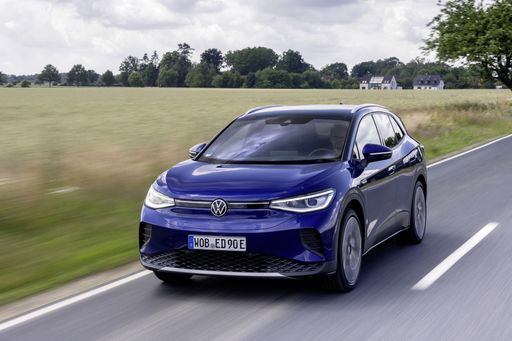
VW ID.4
smart #3
VW ID.4
Costos y consumo
Ver análisis detallado
Ver análisis detallado
Motor y rendimiento
Ver análisis detallado
Ver análisis detallado
Dimensiones y carrocería
Ver análisis detallado
Ver análisis detallado
smart #3
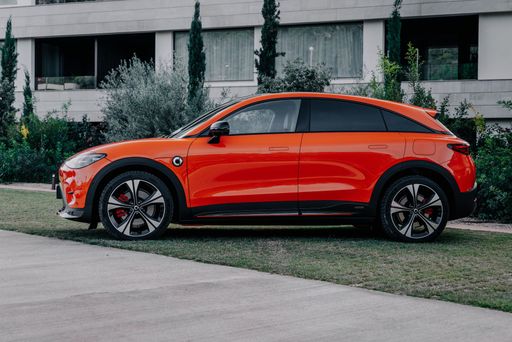
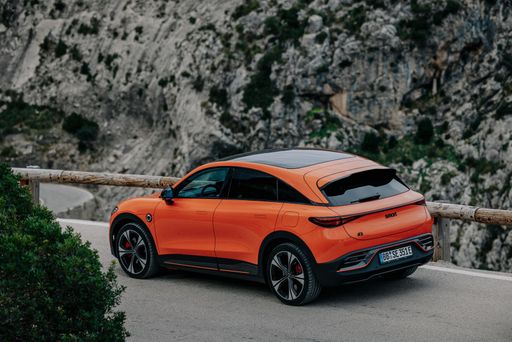
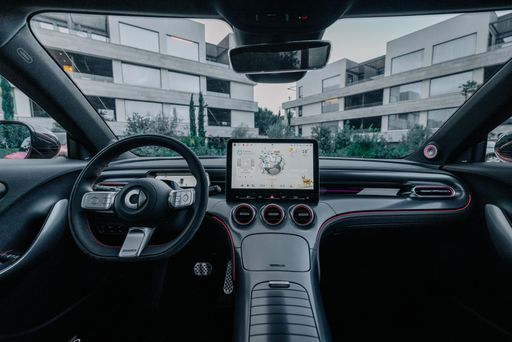
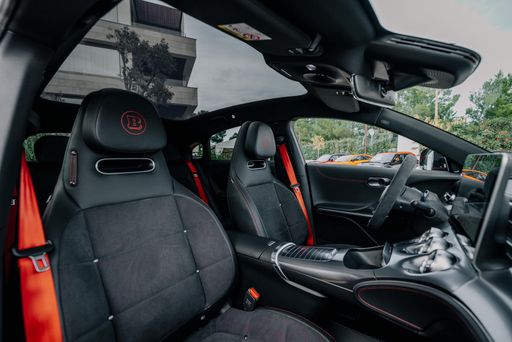
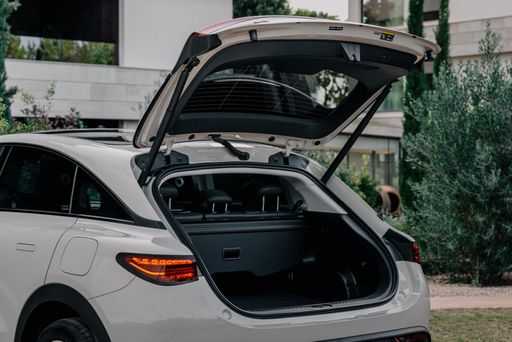
El smart #3 llega con aires frescos al segmento urbano, ofreciendo un diseño llamativo y una presencia que no pasa desapercibida. Con una postura cómoda, tecnología fácil de usar y una puesta a punto pensada para el tráfico diario, es una opción inteligente para quien busca modernidad sin dramas y con un punto de picardía en la ciudad.
detalles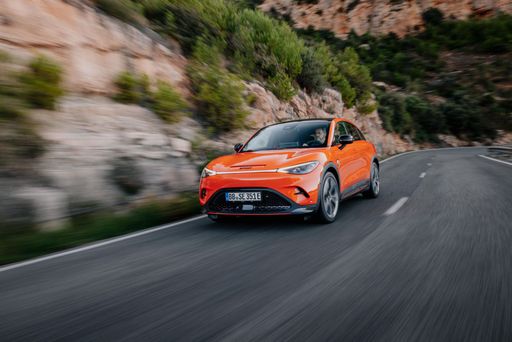
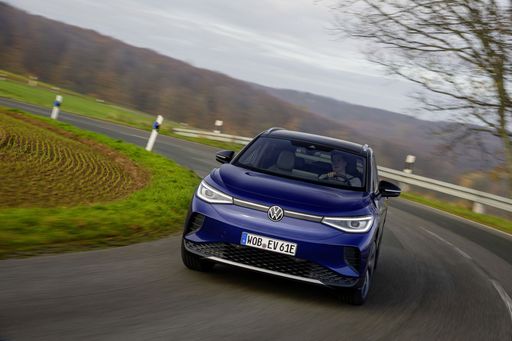
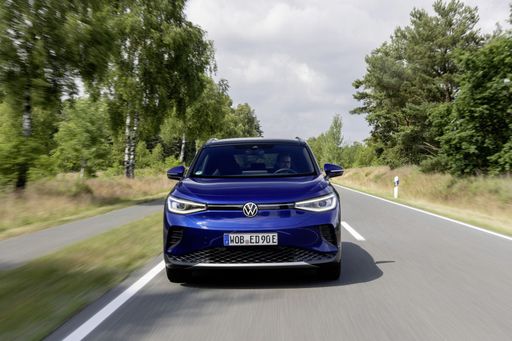
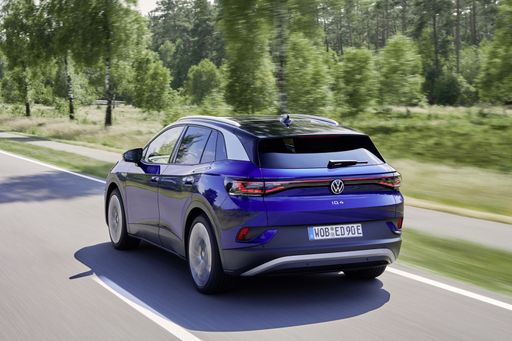
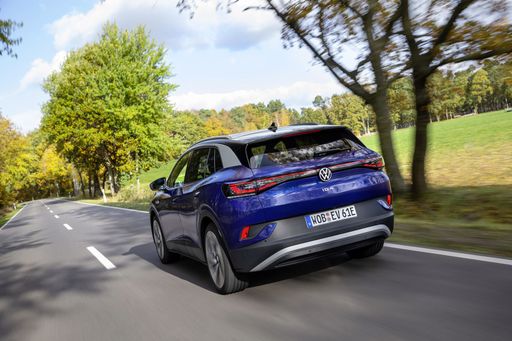
VW ID.4
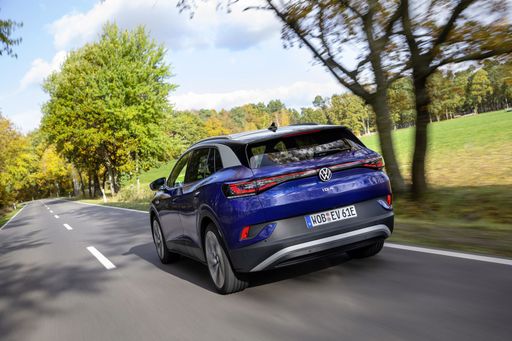
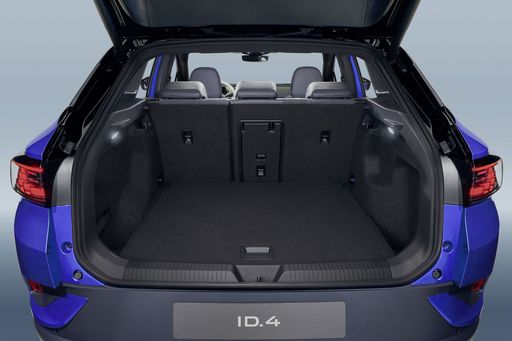
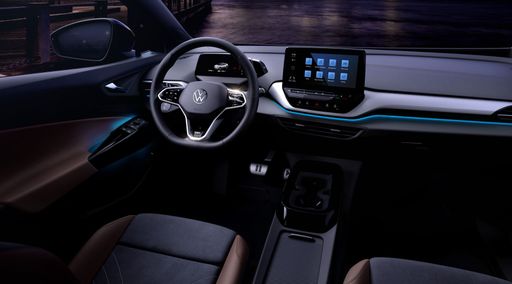
El Volkswagen ID.4 es un SUV eléctrico versátil y cómodo, diseñado para el uso diario con un aprovechamiento del espacio que lo hace práctico para familias y viajes. Su conducción resulta tranquila y refinada, y la interfaz tecnológica es accesible, lo que facilita la transición a la movilidad eléctrica.
detalles
smart #3
VW ID.4
Costos y consumo |
|
|---|---|
|
Precio
49.800 €
|
Precio
41.300 - 56.500 €
|
|
Consumo L/100km
-
|
Consumo L/100km
-
|
|
Consumo kWh/100km
16,3 kWh/100km
|
Consumo kWh/100km
15,4 - 16,6 kWh/100km
|
|
Autonomía eléctrica
455 km
|
Autonomía eléctrica
425 - 570 km
|
|
Capacidad de la batería
-
|
Capacidad de la batería
-
|
|
co2
0 g/km
|
co2
0 g/km
|
|
Capacidad del tanque
-
|
Capacidad del tanque
-
|
Dimensiones y carrocería |
|
|---|---|
|
Tipo de carrocería
SUV
|
Tipo de carrocería
SUV
|
|
Asientos
5
|
Asientos
5
|
|
Puertas
-
|
Puertas
-
|
|
Peso en vacío
1.810 kg
|
Peso en vacío
2.065 - 2.219 kg
|
|
Capacidad del maletero
370 L
|
Capacidad del maletero
-
|
|
Longitud
-
|
Longitud
-
|
|
Anchura
1.844 mm
|
Anchura
1.852 mm
|
|
Altura
-
|
Altura
-
|
|
Capacidad máxima del maletero
-
|
Capacidad máxima del maletero
-
|
|
Capacidad de carga
450 kg
|
Capacidad de carga
525 - 554 kg
|
Motor y rendimiento |
|
|---|---|
|
Tipo de motor
Eléctrico
|
Tipo de motor
Eléctrico
|
|
Transmisión
Automática
|
Transmisión
Automática
|
|
Detalle de transmisión
Caja de reducción
|
Detalle de transmisión
Caja de reducción
|
|
Tipo de tracción
Tracción trasera
|
Tipo de tracción
Tracción trasera, Tracción total
|
|
Potencia CV
272 CV
|
Potencia CV
190 - 299 CV
|
|
Aceleración 0-100km/h
5,8 s
|
Aceleración 0-100km/h
6,1 - 8,5 s
|
|
Velocidad máxima
-
|
Velocidad máxima
-
|
|
Par motor
384 Nm
|
Par motor
310 - 545 Nm
|
|
Número de cilindros
-
|
Número de cilindros
-
|
|
Potencia kW
200 kW
|
Potencia kW
140 - 220 kW
|
|
Cilindrada
-
|
Cilindrada
-
|
General |
|
|---|---|
|
Año del modelo
2025
|
Año del modelo
2026
|
|
Clase de eficiencia de CO2
A
|
Clase de eficiencia de CO2
A
|
|
Marca
smart
|
Marca
VW
|
DriveDuel utiliza análisis de datos e inteligencia artificial para evaluar datos de vehículos y crear contenidos. Los contenidos se revisan y mejoran regularmente.
Los precios mostrados son estimaciones basadas en los precios de lista alemanes, ajustados al IVA del país correspondiente. Los impuestos de matriculación específicos de cada país no están incluidos. Esta información no es legalmente vinculante.