
 Deutschland
 France
 Nederland
 Great Britain
 Sverige
 Danmark
 Suomi
Suomi Italia
 Polska
 Česko
Česko España
VS
Ford Focus vs VW T-Roc comparativa
Compara la potencia (280 CV vs 150 CV), el maletero y el precio (32.600 € vs 32.600 € ) de un vistazo. Descubre cuál es la mejor opción para ti: Ford Focus o VW T-Roc.
Ford Focus vs VW T-Roc: las principales diferencias
Todos los detalles sobre potencia, consumo, autonomía y maletero se encuentran en la comparación técnica más abajo, donde también podrás ver las opiniones de los usuarios sobre ambos modelos.
Focus
Costes y consumo
Al comparar precio y eficiencia suelen verse las mayores diferencias. Así se descubre cuál encaja mejor en el presupuesto a largo plazo.
El VW T-Roc es marginalmente más barato: parte desde 32.600 € , mientras que el Ford Focus cuesta 32.600 € . La diferencia es de unos 45 €.
También hay diferencias en el consumo: el Ford Focus consume un poco menos, con 4,9 L/100km frente a los 5,5 L/100km del VW T-Roc. La diferencia es de unos 0,6 L/100km
T-Roc
Motor y rendimiento
Potencia, par motor y aceleración dicen mucho sobre la experiencia de conducción. Aquí se ve cuál ofrece más dinamismo.
En potencia, el Ford Focus ofrece claramente más potencia: 280 CV frente a 150 CV. Eso supone unos 130 CV de diferencia.
En la aceleración de 0 a 100 km/h, el Ford Focus es significativamente más rápido: completa el sprint en 5,7 s, frente a 8,9 s del VW T-Roc. La diferencia es de unos 3,2 s.
También hay diferencias en el par motor: el Ford Focus ofrece claramente más par, con 420 Nm frente a 250 Nm. La diferencia ronda los 170 Nm.
Focus
Espacio y practicidad
Ya sea coche familiar o compañero diario – ¿cuál ofrece más espacio, flexibilidad y confort?
Ambos modelos ofrecen espacio suficiente para 5 personas.
En el peso en vacío, el Ford Focus es en cierta medida más ligero – 1.330 kg frente a 1.465 kg. La diferencia ronda los 135 kg.
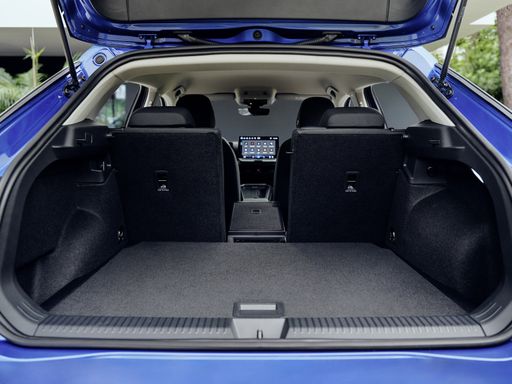
En capacidad de maletero, el VW T-Roc ofrece algo más espacio – 475 L frente a 392 L. La diferencia es de unos 83 L.
En carga útil, el Ford Focus ofrece casi más capacidad – 560 kg frente a 515 kg. La diferencia es de unos 45 kg.
¿Quién gana la carrera en el análisis de datos?
Ford Focus supera en casi todos los aspectos en la comparación objetiva de datos.
Esta evaluación solo muestra qué modelo obtiene más puntos sobre el papel – no cuál de los dos coches se siente adecuado para ti.
desde 32.600 €
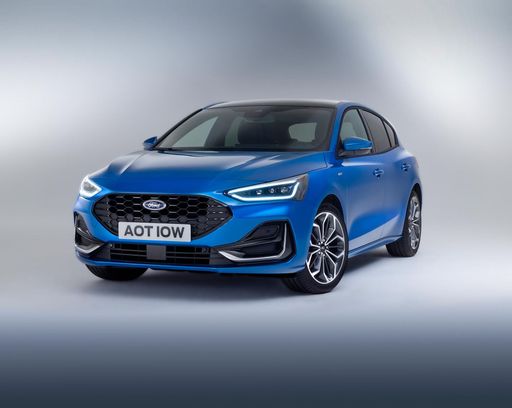
Ford Focus
Ford Focus
VW T-Roc
Costos y consumo
Ver análisis detallado
Ver análisis detallado
Motor y rendimiento
Ver análisis detallado
Ver análisis detallado
Dimensiones y carrocería
Ver análisis detallado
Ver análisis detallado
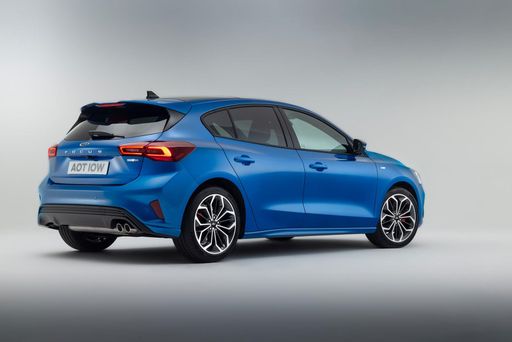
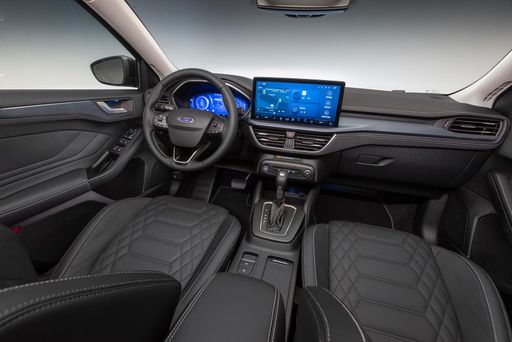
Ford Focus
El Focus sigue siendo el compacto equilibrado que sabe divertirte sin esforzarse demasiado, con una puesta a punto ágil que hace que las curvas no parezcan un trámite. Su interior, práctico y bien rematado, apuesta por la comodidad y la tecnología accesible, perfecto para quien quiere un coche sensato con un punto de chispa.
detalles
VW T-Roc
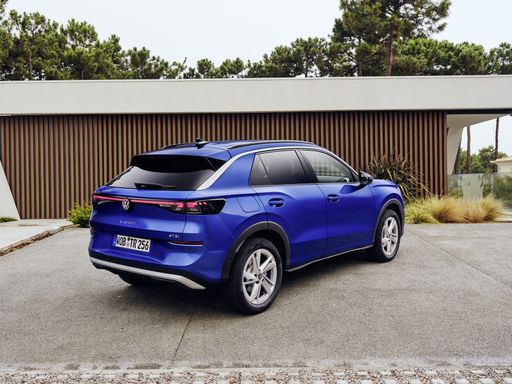
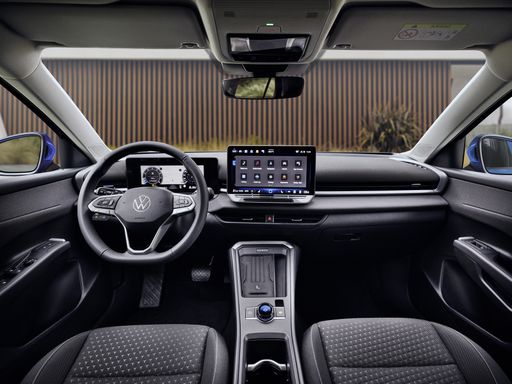
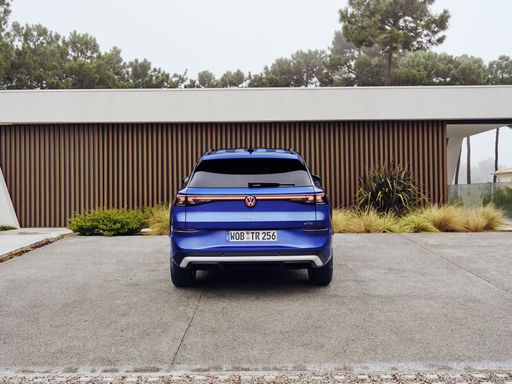
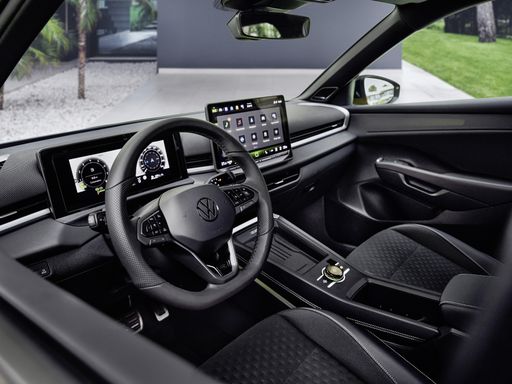
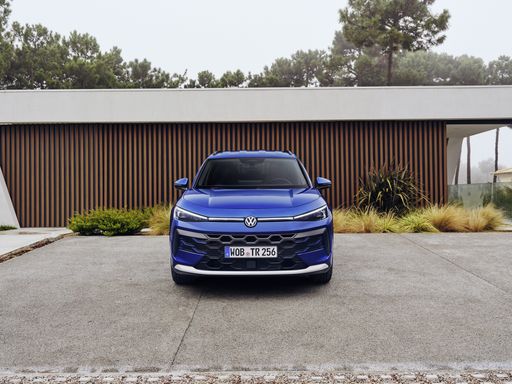
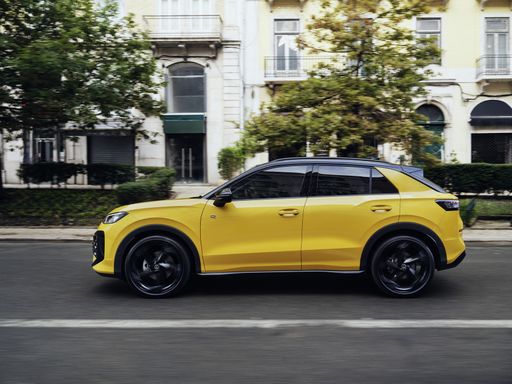
El T‑Roc de Volkswagen combina un diseño moderno y personalizable con una postura de conducción ágil que funciona bien tanto en ciudad como en carretera. Su interior transmite sensación de calidad y practicidad, con espacio pensado para el día a día y tecnología intuitiva que hace la vida a bordo más cómoda.
detalles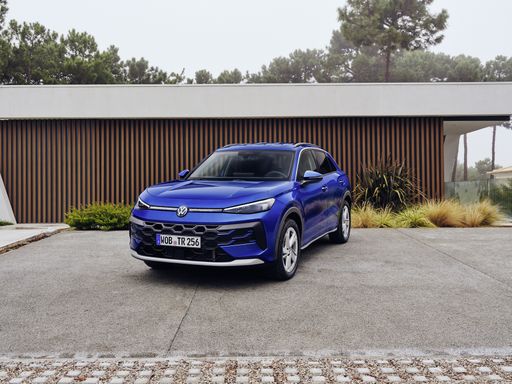
Ford Focus
VW T-Roc
Costos y consumo |
|
|---|---|
|
Precio
32.600 - 54.800 €
|
Precio
32.600 - 47.500 €
|
|
Consumo L/100km
4,9 - 8 L/100km
|
Consumo L/100km
5,5 - 6,3 L/100km
|
|
Consumo kWh/100km
-
|
Consumo kWh/100km
-
|
|
Autonomía eléctrica
-
|
Autonomía eléctrica
-
|
|
Capacidad de la batería
-
|
Capacidad de la batería
-
|
|
co2
117 - 183 g/km
|
co2
126 - 143 g/km
|
|
Capacidad del tanque
52 L
|
Capacidad del tanque
-
|
Dimensiones y carrocería |
|
|---|---|
|
Tipo de carrocería
Hatchback
|
Tipo de carrocería
SUV
|
|
Asientos
5
|
Asientos
4 - 5
|
|
Puertas
5
|
Puertas
-
|
|
Peso en vacío
1.330 - 1.529 kg
|
Peso en vacío
1.465 - 1.539 kg
|
|
Capacidad del maletero
392 L
|
Capacidad del maletero
284 - 475 L
|
|
Longitud
4.382 - 4.397 mm
|
Longitud
-
|
|
Anchura
1.825 - 1.844 mm
|
Anchura
1.811 - 1.828 mm
|
|
Altura
1.438 - 1.482 mm
|
Altura
-
|
|
Capacidad máxima del maletero
1.354 L
|
Capacidad máxima del maletero
-
|
|
Capacidad de carga
495 - 560 kg
|
Capacidad de carga
368 - 515 kg
|
Motor y rendimiento |
|
|---|---|
|
Tipo de motor
Híbrido ligero gasolina, Diésel, Gasolina
|
Tipo de motor
Gasolina, Híbrido ligero gasolina
|
|
Transmisión
Manual, Automática
|
Transmisión
Manual, Automática
|
|
Detalle de transmisión
Caja manual, Automático de doble embrague, Caja automática
|
Detalle de transmisión
Caja manual, Automático de doble embrague
|
|
Tipo de tracción
Tracción delantera
|
Tipo de tracción
Tracción delantera
|
|
Potencia CV
115 - 280 CV
|
Potencia CV
115 - 150 CV
|
|
Aceleración 0-100km/h
5,7 - 11,8 s
|
Aceleración 0-100km/h
8,9 - 12,3 s
|
|
Velocidad máxima
186 - 250 km/h
|
Velocidad máxima
-
|
|
Par motor
170 - 420 Nm
|
Par motor
200 - 250 Nm
|
|
Número de cilindros
3 - 4
|
Número de cilindros
3 - 4
|
|
Potencia kW
85 - 206 kW
|
Potencia kW
85 - 110 kW
|
|
Cilindrada
999 - 2.261 cm3
|
Cilindrada
999 - 1.498 cm3
|
General |
|
|---|---|
|
Año del modelo
2.022 - 2.024
|
Año del modelo
2.024 - 2.025
|
|
Clase de eficiencia de CO2
D, G
|
Clase de eficiencia de CO2
E, D
|
|
Marca
Ford
|
Marca
VW
|
DriveDuel utiliza análisis de datos e inteligencia artificial para evaluar datos de vehículos y crear contenidos. Los contenidos se revisan y mejoran regularmente.
Los precios mostrados son estimaciones basadas en los precios de lista alemanes, ajustados al IVA del país correspondiente. Los impuestos de matriculación específicos de cada país no están incluidos. Esta información no es legalmente vinculante.