
 Deutschland
 France
 Nederland
 Great Britain
 Sverige
 Danmark
 Suomi
Suomi Italia
 Polska
 Česko
Česko España
VS
Dacia Duster vs VW Taigo comparativa
Compara la potencia (158 CV vs 150 CV), el maletero y el precio (20.100 € vs 23.600 € ) de un vistazo. Descubre cuál es la mejor opción para ti: Dacia Duster o VW Taigo.
Dacia Duster vs VW Taigo: las principales diferencias
Todos los detalles sobre potencia, consumo, autonomía y maletero se encuentran en la comparación técnica más abajo, donde también podrás ver las opiniones de los usuarios sobre ambos modelos.
Duster
Costes y consumo
El precio y la eficiencia suelen ser los primeros criterios. Aquí se ve qué modelo mantiene la ventaja a largo plazo, ya sea repostando, cargando o al comprar.
El Dacia Duster es en cierta medida más barato: parte desde 20.100 € , mientras que el VW Taigo cuesta 23.600 € . La diferencia es de unos 3.563 €.
También hay diferencias en el consumo: el Dacia Duster consume ligeramente menos, con 4,7 L/100km frente a los 5,3 L/100km del VW Taigo. La diferencia es de unos 0,6 L/100km
Taigo
Motor y rendimiento
Debajo del capó se descubre qué modelo tiene un carácter más deportivo y quién acelera mejor.
En potencia, el Dacia Duster ofrece muy ligeramente más potencia: 158 CV frente a 150 CV. Eso supone unos 8 CV de diferencia.
En la aceleración de 0 a 100 km/h, el VW Taigo es algo más rápido: completa el sprint en 8,2 s, frente a 9,4 s del Dacia Duster. La diferencia es de unos 1,2 s.
También hay diferencias en el par motor: el VW Taigo ofrece casi más par, con 250 Nm frente a 230 Nm. La diferencia ronda los 20 Nm.
Duster
Espacio y practicidad
Más allá del rendimiento, el confort y el espacio interior son clave. Aquí se decide cuál es más práctico y versátil.
Ambos modelos ofrecen espacio suficiente para 5 personas.
En el peso en vacío, el VW Taigo es un poco más ligero – 1.229 kg frente a 1.377 kg. La diferencia ronda los 148 kg.
En capacidad de maletero, el Dacia Duster ofrece ligeramente más espacio – 517 L frente a 440 L. La diferencia es de unos 77 L.
En carga útil, el VW Taigo ofrece casi más capacidad – 457 kg frente a 453 kg. La diferencia es de unos 4 kg.
¿Quién gana la carrera en el análisis de datos?
Dacia Duster gana con solidez en la comparación objetiva de datos.
Esta evaluación solo muestra qué modelo obtiene más puntos sobre el papel – no cuál de los dos coches se siente adecuado para ti.
desde 20.100 €
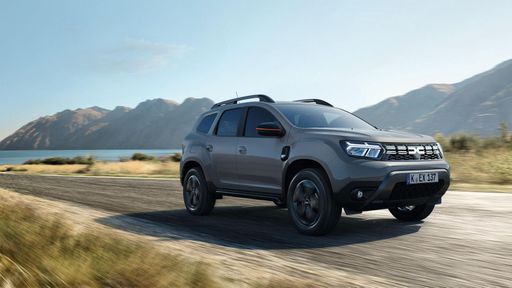
Dacia Duster
Dacia Duster
VW Taigo
Costos y consumo
Ver análisis detallado
Ver análisis detallado
Motor y rendimiento
Ver análisis detallado
Ver análisis detallado
Dimensiones y carrocería
Ver análisis detallado
Ver análisis detallado
Dacia Duster
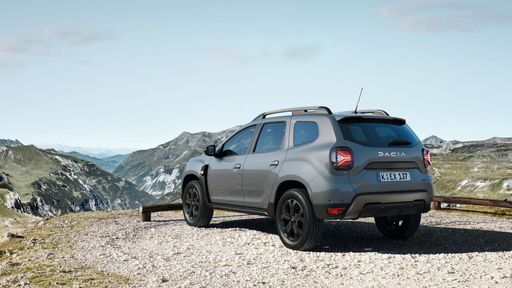
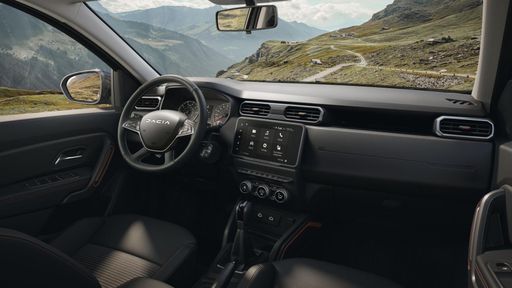
El Duster es un SUV práctico y sin pretensiones que se siente robusto y fácil de conducir, pensado tanto para el uso diario como para escapadas fuera de la ciudad. Ofrece un interior funcional y una buena capacidad de carga, con costes de mantenimiento contenidos que lo convierten en una opción sensata para quienes priorizan la utilidad y el valor.
detalles
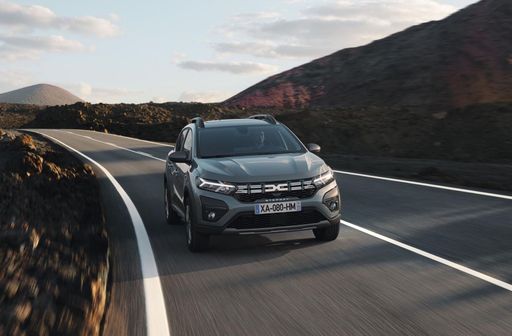
VW Taigo
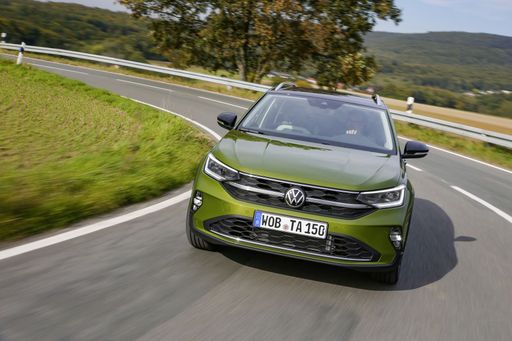
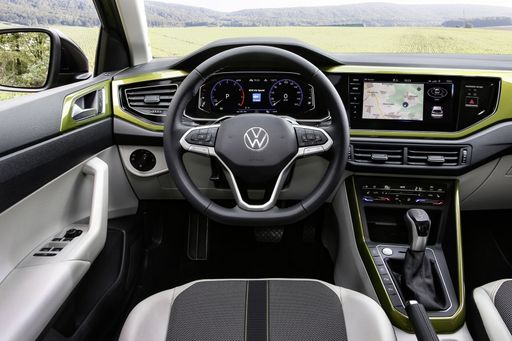
El Taigo combina la silueta de un crossover con la agilidad de un compacto, ofreciendo una imagen moderna y dinámica ideal para la ciudad. Su interior es funcional y bien resuelto, con una postura de conducción cómoda y la versatilidad necesaria para el día a día.
detalles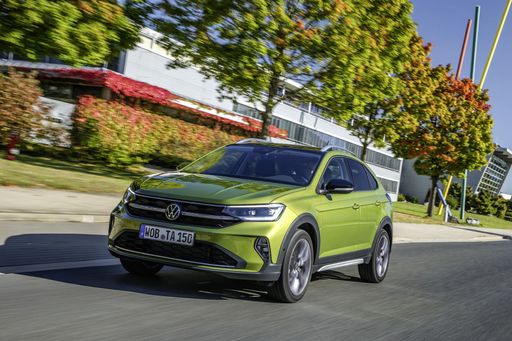


Dacia Duster
VW Taigo
Costos y consumo |
|
|---|---|
|
Precio
20.100 - 30.700 €
|
Precio
23.600 - 39.200 €
|
|
Consumo L/100km
4,7 - 7,6 L/100km
|
Consumo L/100km
5,3 - 5,8 L/100km
|
|
Consumo kWh/100km
-
|
Consumo kWh/100km
-
|
|
Autonomía eléctrica
-
|
Autonomía eléctrica
-
|
|
Capacidad de la batería
-
|
Capacidad de la batería
-
|
|
co2
107 - 140 g/km
|
co2
120 - 132 g/km
|
|
Capacidad del tanque
-
|
Capacidad del tanque
-
|
Dimensiones y carrocería |
|
|---|---|
|
Tipo de carrocería
SUV
|
Tipo de carrocería
SUV
|
|
Asientos
5
|
Asientos
5
|
|
Puertas
-
|
Puertas
-
|
|
Peso en vacío
1.377 - 1.559 kg
|
Peso en vacío
1.229 - 1.302 kg
|
|
Capacidad del maletero
348 - 517 L
|
Capacidad del maletero
440 L
|
|
Longitud
-
|
Longitud
-
|
|
Anchura
1.813 mm
|
Anchura
1.757 mm
|
|
Altura
-
|
Altura
-
|
|
Capacidad máxima del maletero
-
|
Capacidad máxima del maletero
-
|
|
Capacidad de carga
402 - 453 kg
|
Capacidad de carga
448 - 457 kg
|
Motor y rendimiento |
|
|---|---|
|
Tipo de motor
Híbrido ligero gasolina, Híbrido completo, GLP
|
Tipo de motor
Gasolina
|
|
Transmisión
Manual, Automática
|
Transmisión
Manual, Automática
|
|
Detalle de transmisión
Caja manual, Manual automatizado, Automático de doble embrague
|
Detalle de transmisión
Caja manual, Automático de doble embrague
|
|
Tipo de tracción
Tracción delantera, Tracción total
|
Tipo de tracción
Tracción delantera
|
|
Potencia CV
115 - 158 CV
|
Potencia CV
95 - 150 CV
|
|
Aceleración 0-100km/h
9,4 - 11,7 s
|
Aceleración 0-100km/h
8,2 - 11,1 s
|
|
Velocidad máxima
-
|
Velocidad máxima
-
|
|
Par motor
190 - 230 Nm
|
Par motor
175 - 250 Nm
|
|
Número de cilindros
3 - 4
|
Número de cilindros
3 - 4
|
|
Potencia kW
84 - 116 kW
|
Potencia kW
70 - 110 kW
|
|
Cilindrada
1.199 - 1.789 cm3
|
Cilindrada
999 - 1.498 cm3
|
General |
|
|---|---|
|
Año del modelo
2.025 - 2.026
|
Año del modelo
2.024 - 2.025
|
|
Clase de eficiencia de CO2
D, C
|
Clase de eficiencia de CO2
D
|
|
Marca
Dacia
|
Marca
VW
|
DriveDuel utiliza análisis de datos e inteligencia artificial para evaluar datos de vehículos y crear contenidos. Los contenidos se revisan y mejoran regularmente.
Los precios mostrados son estimaciones basadas en los precios de lista alemanes, ajustados al IVA del país correspondiente. Los impuestos de matriculación específicos de cada país no están incluidos. Esta información no es legalmente vinculante.