
 Deutschland
 France
 Nederland
 Great Britain
 Sverige
 Danmark
 Suomi
Suomi Italia
 Polska
 Česko
Česko España
VS
Hyundai IONIQ 5 vs Volvo XC60 comparativa
Compara la potencia (229 CV vs 406 CV), el maletero y el precio (51.400 € vs 69.100 € ) de un vistazo. Descubre cuál es la mejor opción para ti: Hyundai IONIQ 5 o Volvo XC60.
Hyundai IONIQ 5 vs Volvo XC60: las principales diferencias
Todos los detalles sobre potencia, consumo, autonomía y maletero se encuentran en la comparación técnica más abajo, donde también podrás ver las opiniones de los usuarios sobre ambos modelos.
IONIQ 5
Costes y consumo
El precio y la eficiencia suelen ser los primeros criterios. Aquí se ve qué modelo mantiene la ventaja a largo plazo, ya sea repostando, cargando o al comprar.
El Hyundai IONIQ 5 es notablemente más barato: parte desde 51.400 € , mientras que el Volvo XC60 cuesta 69.100 € . La diferencia es de unos 17.733 €.
En cuanto a la autonomía eléctrica, el Hyundai IONIQ 5 ofrece significativamente más autonomía: alcanza hasta 570 km, unos 491 km más que el Volvo XC60.
XC60
Motor y rendimiento
Potencia, par motor y aceleración dicen mucho sobre la experiencia de conducción. Aquí se ve cuál ofrece más dinamismo.
En potencia, el Volvo XC60 ofrece significativamente más potencia: 406 CV frente a 229 CV. Eso supone unos 177 CV de diferencia.
En la aceleración de 0 a 100 km/h, el Volvo XC60 es considerablemente más rápido: completa el sprint en 4,9 s, frente a 7,5 s del Hyundai IONIQ 5. La diferencia es de unos 2,6 s.
También hay diferencias en el par motor: el Volvo XC60 ofrece significativamente más par, con 669 Nm frente a 350 Nm. La diferencia ronda los 319 Nm.
IONIQ 5
Espacio y practicidad
Más allá del rendimiento, el confort y el espacio interior son clave. Aquí se decide cuál es más práctico y versátil.
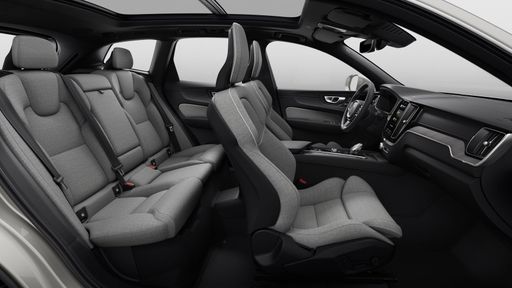
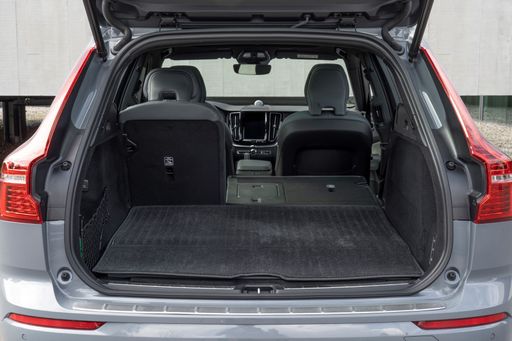
Ambos modelos ofrecen espacio suficiente para 5 personas.
En el peso en vacío, el Hyundai IONIQ 5 es casi más ligero – 1.955 kg frente a 2.150 kg. La diferencia ronda los 195 kg.
En carga útil, el Hyundai IONIQ 5 ofrece casi más capacidad – 530 kg frente a 510 kg. La diferencia es de unos 20 kg.
¿Quién gana la carrera en el análisis de datos?
Hyundai IONIQ 5 gana con solidez en la comparación objetiva de datos.
Esta evaluación solo muestra qué modelo obtiene más puntos sobre el papel – no cuál de los dos coches se siente adecuado para ti.
desde 51.400 €
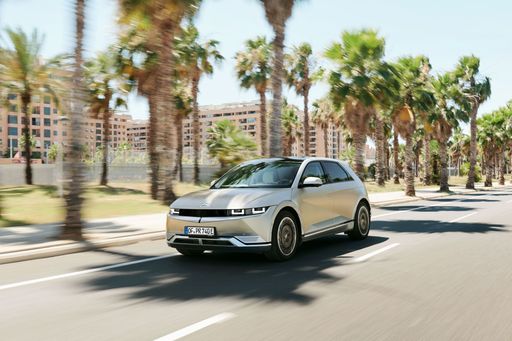
Hyundai IONIQ 5
Hyundai IONIQ 5
Volvo XC60
Costos y consumo
Ver análisis detallado
Ver análisis detallado
Motor y rendimiento
Ver análisis detallado
Ver análisis detallado
Dimensiones y carrocería
Ver análisis detallado
Ver análisis detallado
Hyundai IONIQ 5
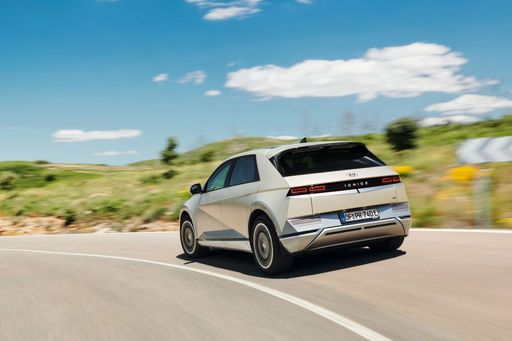
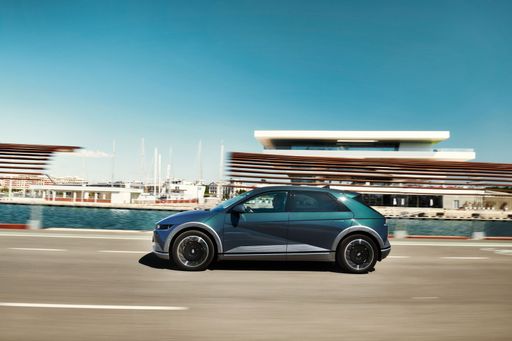
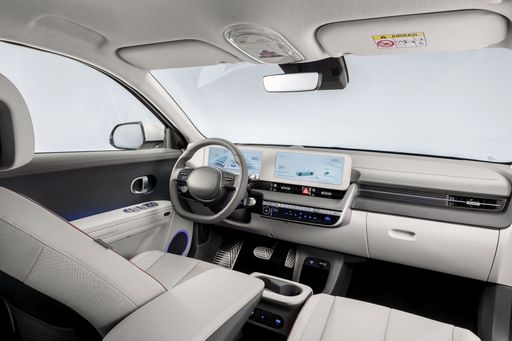
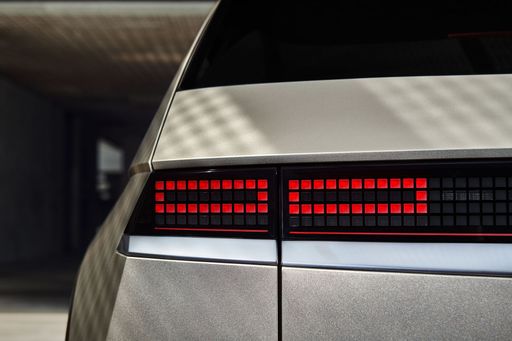
El Hyundai IONIQ 5 sorprende por su diseño retrofuturista y su interior espacioso, más parecido a una sala de estar sobre ruedas que a un coche convencional. Ofrece una conducción suave y práctica para el día a día, ideal para quien busca ecología sin renunciar al estilo y a una buena dosis de carácter tecnológico.
detalles
Volvo XC60
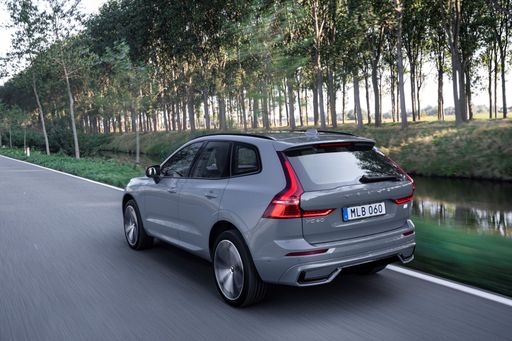
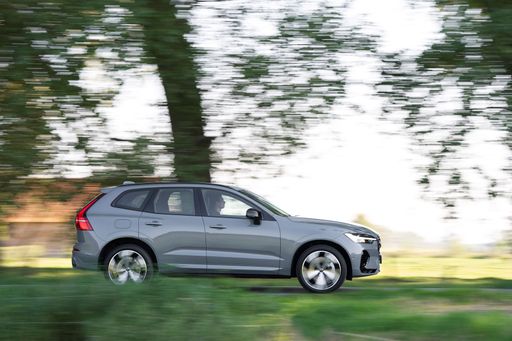
El Volvo XC60 es un SUV premium que combina un diseño escandinavo elegante con un interior cómodo y bien rematado. Destaca por su enfoque en la seguridad y la conducción serena, ideal para quienes buscan confort y tranquilidad en el día a día.
detalles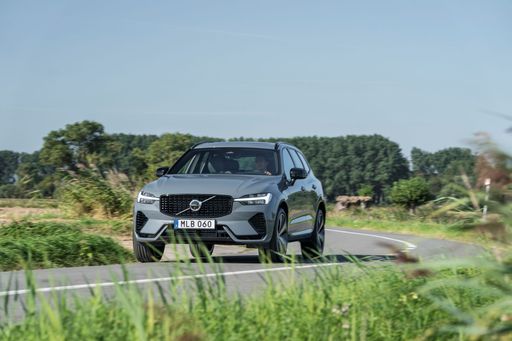
Hyundai IONIQ 5
Volvo XC60
Costos y consumo |
|
|---|---|
|
Precio
51.400 - 54.700 €
|
Precio
69.100 - 84.700 €
|
|
Consumo L/100km
-
|
Consumo L/100km
1,6 L/100km
|
|
Consumo kWh/100km
15,6 - 16 kWh/100km
|
Consumo kWh/100km
-
|
|
Autonomía eléctrica
440 - 570 km
|
Autonomía eléctrica
79 km
|
|
Capacidad de la batería
-
|
Capacidad de la batería
-
|
|
co2
0 g/km
|
co2
59 g/km
|
|
Capacidad del tanque
-
|
Capacidad del tanque
-
|
Dimensiones y carrocería |
|
|---|---|
|
Tipo de carrocería
SUV
|
Tipo de carrocería
SUV
|
|
Asientos
5
|
Asientos
5
|
|
Puertas
-
|
Puertas
-
|
|
Peso en vacío
1.955 - 2.060 kg
|
Peso en vacío
2.150 kg
|
|
Capacidad del maletero
520 L
|
Capacidad del maletero
-
|
|
Longitud
-
|
Longitud
-
|
|
Anchura
1.890 mm
|
Anchura
1.902 mm
|
|
Altura
-
|
Altura
-
|
|
Capacidad máxima del maletero
-
|
Capacidad máxima del maletero
-
|
|
Capacidad de carga
515 - 530 kg
|
Capacidad de carga
510 kg
|
Motor y rendimiento |
|
|---|---|
|
Tipo de motor
Eléctrico
|
Tipo de motor
Híbrido enchufable
|
|
Transmisión
Automática
|
Transmisión
Automática
|
|
Detalle de transmisión
Caja de reducción
|
Detalle de transmisión
Caja automática
|
|
Tipo de tracción
Tracción trasera
|
Tipo de tracción
Tracción total
|
|
Potencia CV
170 - 229 CV
|
Potencia CV
335 - 406 CV
|
|
Aceleración 0-100km/h
7,5 - 8,5 s
|
Aceleración 0-100km/h
4,9 - 5,7 s
|
|
Velocidad máxima
-
|
Velocidad máxima
-
|
|
Par motor
350 Nm
|
Par motor
589 - 669 Nm
|
|
Número de cilindros
-
|
Número de cilindros
4
|
|
Potencia kW
125 - 168 kW
|
Potencia kW
247 - 299 kW
|
|
Cilindrada
-
|
Cilindrada
1.969 cm3
|
General |
|
|---|---|
|
Año del modelo
2025
|
Año del modelo
2026
|
|
Clase de eficiencia de CO2
A
|
Clase de eficiencia de CO2
B
|
|
Marca
Hyundai
|
Marca
Volvo
|
DriveDuel utiliza análisis de datos e inteligencia artificial para evaluar datos de vehículos y crear contenidos. Los contenidos se revisan y mejoran regularmente.
Los precios mostrados son estimaciones basadas en los precios de lista alemanes, ajustados al IVA del país correspondiente. Los impuestos de matriculación específicos de cada país no están incluidos. Esta información no es legalmente vinculante.