
 Deutschland
 France
 Nederland
 Great Britain
 Sverige
 Danmark
 Suomi
Suomi Italia
 Polska
 Česko
Česko España
VS
Opel Frontera vs VW T-Roc comparativa
Compara la potencia (145 CV vs 150 CV), el maletero y el precio (24.600 € vs 32.600 € ) de un vistazo. Descubre cuál es la mejor opción para ti: Opel Frontera o VW T-Roc.
Opel Frontera vs VW T-Roc: las principales diferencias
Todos los detalles sobre potencia, consumo, autonomía y maletero se encuentran en la comparación técnica más abajo, donde también podrás ver las opiniones de los usuarios sobre ambos modelos.
Frontera
Costes y consumo
El precio y la eficiencia suelen ser los primeros criterios. Aquí se ve qué modelo mantiene la ventaja a largo plazo, ya sea repostando, cargando o al comprar.
El Opel Frontera es visiblemente más barato: parte desde 24.600 € , mientras que el VW T-Roc cuesta 32.600 € . La diferencia es de unos 7.998 €.
También hay diferencias en el consumo: el Opel Frontera consume apenas menos, con 5,2 L/100km frente a los 5,5 L/100km del VW T-Roc. La diferencia es de unos 0,3 L/100km
T-Roc
Motor y rendimiento
Potencia, par motor y aceleración dicen mucho sobre la experiencia de conducción. Aquí se ve cuál ofrece más dinamismo.
En potencia, el VW T-Roc ofrece marginalmente más potencia: 150 CV frente a 145 CV. Eso supone unos 5 CV de diferencia.
En la aceleración de 0 a 100 km/h, el VW T-Roc es casi más rápido: completa el sprint en 8,9 s, frente a 9,1 s del Opel Frontera. La diferencia es de unos 0,2 s.
También hay diferencias en el par motor: el VW T-Roc ofrece casi más par, con 250 Nm frente a 230 Nm. La diferencia ronda los 20 Nm.
Frontera
Espacio y practicidad
Más allá del rendimiento, el confort y el espacio interior son clave. Aquí se decide cuál es más práctico y versátil.
Plazas: el Opel Frontera ofrece más plazas – 7 frente a 5.
En el peso en vacío, el Opel Frontera es casi más ligero – 1.394 kg frente a 1.465 kg. La diferencia ronda los 71 kg.
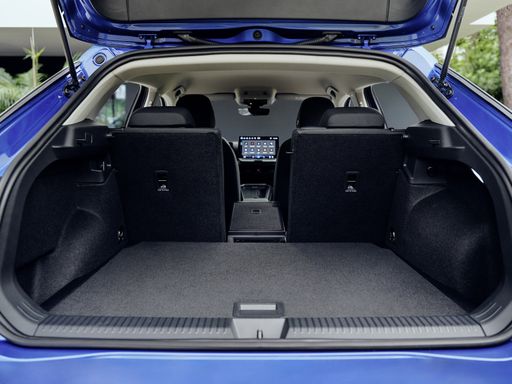
En capacidad de maletero, el VW T-Roc ofrece apenas más espacio – 475 L frente a 460 L. La diferencia es de unos 15 L.
En carga útil, el Opel Frontera ofrece marginalmente más capacidad – 570 kg frente a 515 kg. La diferencia es de unos 55 kg.
¿Quién gana la carrera en el análisis de datos?
Opel Frontera gana el duelo de forma contundente en la comparación objetiva de datos.
Esta evaluación solo muestra qué modelo obtiene más puntos sobre el papel – no cuál de los dos coches se siente adecuado para ti.
desde 24.600 €
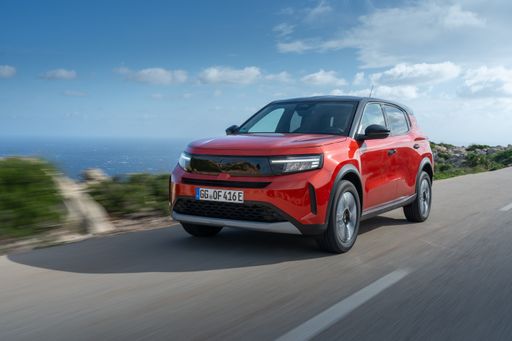
Opel Frontera
Opel Frontera
VW T-Roc
Costos y consumo
Ver análisis detallado
Ver análisis detallado
Motor y rendimiento
Ver análisis detallado
Ver análisis detallado
Dimensiones y carrocería
Ver análisis detallado
Ver análisis detallado
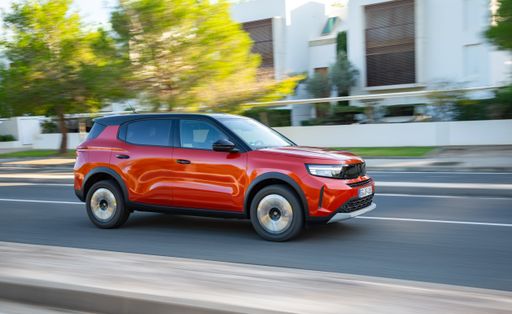
Opel Frontera
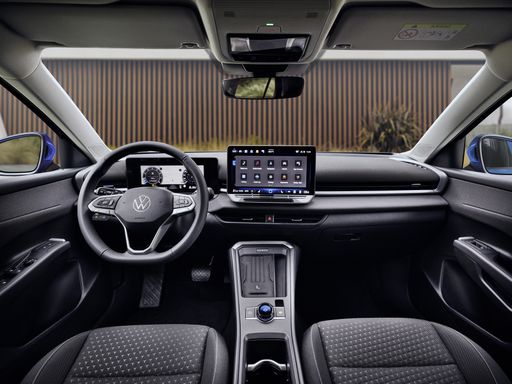
El Opel Frontera es un todoterreno robusto y sencillo que inspira confianza para quienes buscan capacidad fuera de pista y una conducción directa en carretera. Su diseño práctico y su mecánica accesible lo convierten en una opción atractiva para aventureros y quienes valoran fiabilidad más que lujo.
detalles


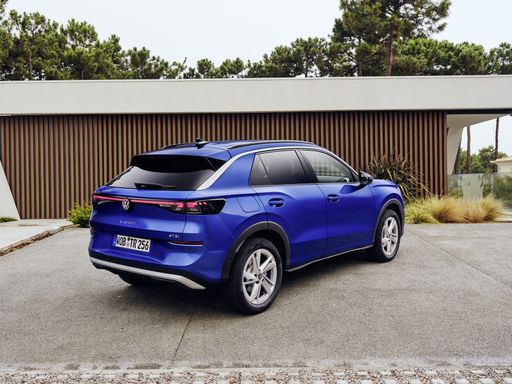
VW T-Roc
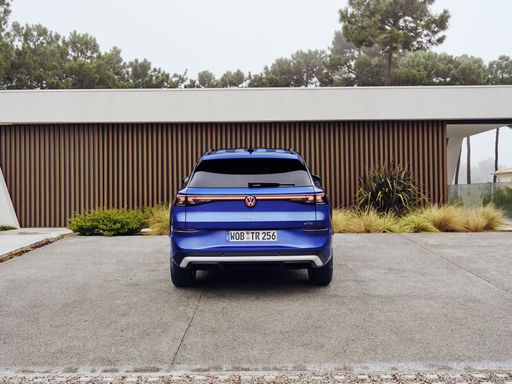
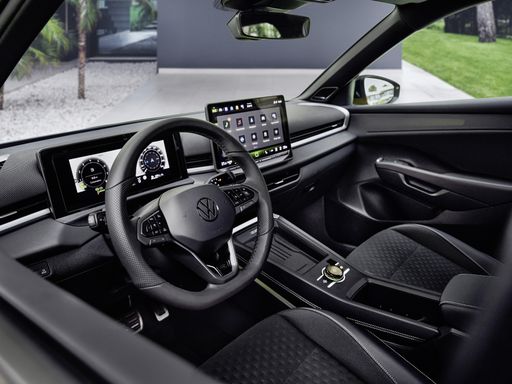
El T‑Roc de Volkswagen combina un diseño moderno y personalizable con una postura de conducción ágil que funciona bien tanto en ciudad como en carretera. Su interior transmite sensación de calidad y practicidad, con espacio pensado para el día a día y tecnología intuitiva que hace la vida a bordo más cómoda.
detalles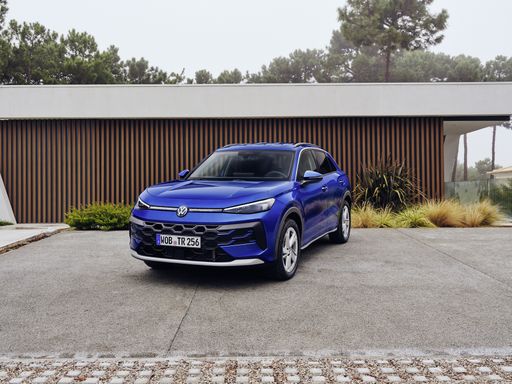
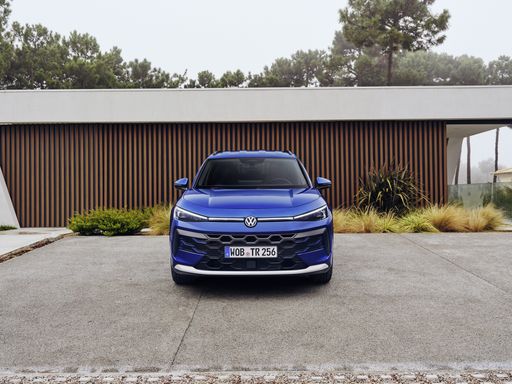
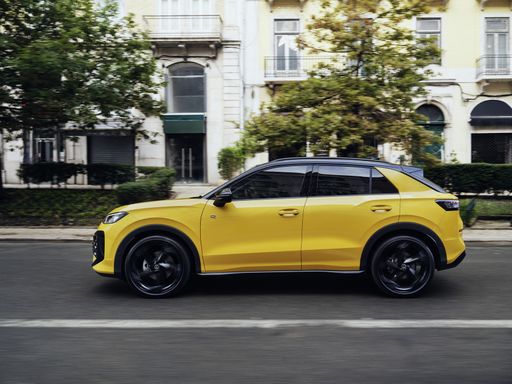
Opel Frontera
VW T-Roc
Costos y consumo |
|
|---|---|
|
Precio
24.600 - 35.600 €
|
Precio
32.600 - 47.500 €
|
|
Consumo L/100km
5,2 L/100km
|
Consumo L/100km
5,5 - 6,3 L/100km
|
|
Consumo kWh/100km
16,7 - 18,3 kWh/100km
|
Consumo kWh/100km
-
|
|
Autonomía eléctrica
308 - 400 km
|
Autonomía eléctrica
-
|
|
Capacidad de la batería
-
|
Capacidad de la batería
-
|
|
co2
0 - 118 g/km
|
co2
126 - 143 g/km
|
|
Capacidad del tanque
-
|
Capacidad del tanque
-
|
Dimensiones y carrocería |
|
|---|---|
|
Tipo de carrocería
SUV
|
Tipo de carrocería
SUV
|
|
Asientos
5 - 7
|
Asientos
4 - 5
|
|
Puertas
-
|
Puertas
-
|
|
Peso en vacío
1.394 - 1.610 kg
|
Peso en vacío
1.465 - 1.539 kg
|
|
Capacidad del maletero
460 L
|
Capacidad del maletero
284 - 475 L
|
|
Longitud
-
|
Longitud
-
|
|
Anchura
1.795 mm
|
Anchura
1.811 - 1.828 mm
|
|
Altura
-
|
Altura
-
|
|
Capacidad máxima del maletero
-
|
Capacidad máxima del maletero
-
|
|
Capacidad de carga
436 - 570 kg
|
Capacidad de carga
368 - 515 kg
|
Motor y rendimiento |
|
|---|---|
|
Tipo de motor
Eléctrico, Híbrido ligero gasolina
|
Tipo de motor
Gasolina, Híbrido ligero gasolina
|
|
Transmisión
Automática
|
Transmisión
Manuel, Automática
|
|
Detalle de transmisión
Caja de reducción, Automático de doble embrague
|
Detalle de transmisión
Caja manual, Automático de doble embrague
|
|
Tipo de tracción
Tracción delantera
|
Tipo de tracción
Tracción delantera
|
|
Potencia CV
110 - 145 CV
|
Potencia CV
115 - 150 CV
|
|
Aceleración 0-100km/h
9,1 - 14,2 s
|
Aceleración 0-100km/h
8,9 - 12,3 s
|
|
Velocidad máxima
-
|
Velocidad máxima
-
|
|
Par motor
125 - 230 Nm
|
Par motor
200 - 250 Nm
|
|
Número de cilindros
3
|
Número de cilindros
3 - 4
|
|
Potencia kW
81 - 107 kW
|
Potencia kW
85 - 110 kW
|
|
Cilindrada
1.199 cm3
|
Cilindrada
999 - 1.498 cm3
|
General |
|
|---|---|
|
Año del modelo
2025
|
Año del modelo
2.024 - 2.025
|
|
Clase de eficiencia de CO2
A, D
|
Clase de eficiencia de CO2
E, D
|
|
Marca
Opel
|
Marca
VW
|
DriveDuel utiliza análisis de datos e inteligencia artificial para evaluar datos de vehículos y crear contenidos. Los contenidos se revisan y mejoran regularmente.
Los precios mostrados son estimaciones basadas en los precios de lista alemanes, ajustados al IVA del país correspondiente. Los impuestos de matriculación específicos de cada país no están incluidos. Esta información no es legalmente vinculante.