@ BYD Auto / BYD Global Media
VS

BYD Tang vs BYD Sealion 7 – ¿Qué modelo convence más en el día a día?

Compara de un vistazo rendimiento, maletero, consumo y precio.
Descubre ahora cuál es la mejor elección para ti – BYD Tang o BYD Sealion 7.

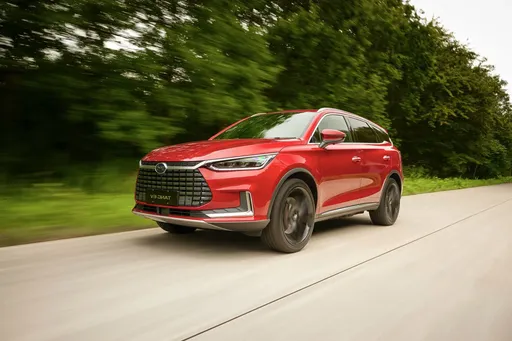
Tang @ BYD Auto / BYD Global Media

The Battle of Electric Excellence: BYD Tang vs. BYD Sealion 7

In the ever-expanding realm of electric SUVs, BYD presents two formidable contenders: the BYD Tang and the BYD Sealion 7. Both vehicles boast cutting-edge technology and robust performance, setting the stage for an electrifying showdown. Let's delve into the technical nuances and innovative features that define these two powerhouses.

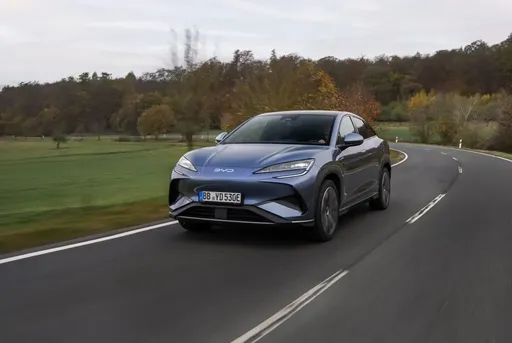
Sealion 7 @ BYD Auto / BYD Global Media

Design and Versatility

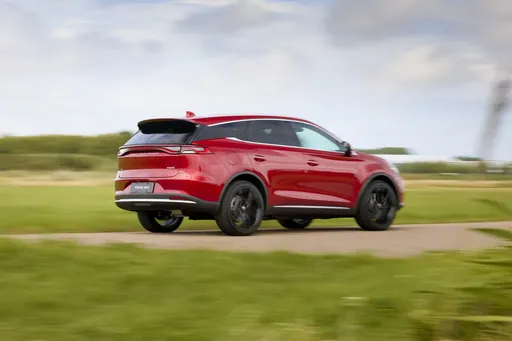
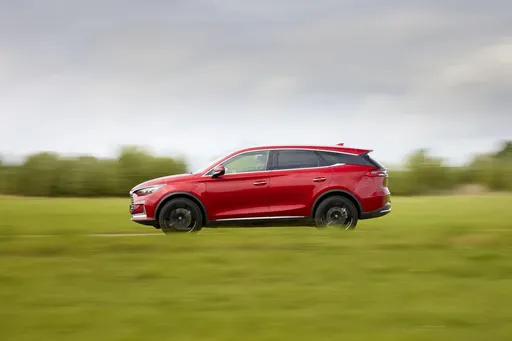
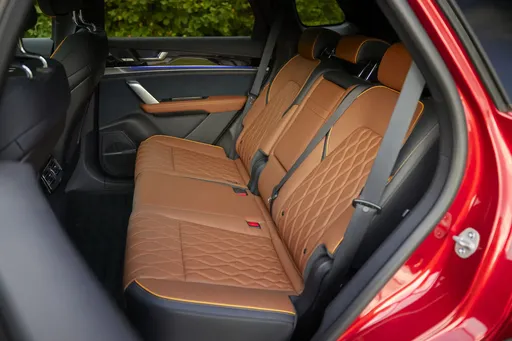
The BYD Tang, with its sleek and commanding presence, measures at 4,970 mm in length, 1,955 mm in width, and 1,745 mm in height. It proudly houses seven seats, accommodating families and larger groups with ease, making it an exceptional choice for those needing additional passenger capacity.

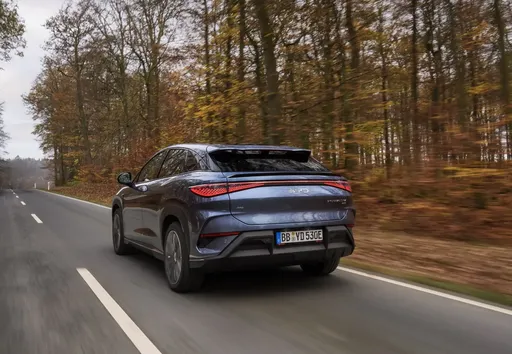
In contrast, the more compact BYD Sealion 7 stands at 4,830 mm long, 1,925 mm wide, and 1,620 mm tall. Although it offers fewer seats with a total of five, it compensates with a substantial trunk capacity of 520 liters, ideal for carrying cargo or adventure gear. This model is perfect for individuals or smaller families looking for a blend of sportiness and utility.

Tang @ BYD Auto / BYD Global Media

Performance and Innovation

Under the hood, both models are equipped with electric powertrains that redefine modern-day efficiency. The BYD Tang operates with an all-wheel-drive system powered by a 380 kW electric motor promising 517 HP and a torque of 680 Nm. This configuration propels the SUV from 0 to 100 km/h in just 4.9 seconds, a thrilling experience for performance enthusiasts.

The BYD Sealion 7, available in either rear-wheel or all-wheel-drive variants, offers different power outputs ranging from 313 HP to an impressive 530 HP on the AWD model, with a peak torque of 690 Nm. The AWD version accelerates from 0 to 100 km/h in a swift 4.5 seconds, slightly outperforming the Tang, indicating that this “Sealion” isn’t all bark and no bite.

Sealion 7 @ BYD Auto / BYD Global Media

Efficiency and Range

Thinking green, both models champion environmental efficiency with zero CO2 emissions. The BYD Tang achieves an electric range of 530 km on a single charge while consuming 24 kWh/100 km. Conversely, the BYD Sealion 7 showcases frugality with consumption rates between 19.9 and 21.9 kWh/100 km based on the variant, and an electric range between 456 km and 502 km, demonstrating a perfect harmony between power and efficiency.

Tang @ BYD Auto / BYD Global Media

Driving Dynamics and Practicality

Both SUVs offer automatic transmission through a reduction gearbox, ensuring a seamless and responsive driving experience. The Tang’s all-wheel-drive system provides stellar traction across varied terrains, a boon for adventurous drives. The Sealion 7, with its lower curb weight starting at 2,225 kg, offers a more agile and sporty feel while retaining substantial power to weight balance.

Sealion 7 @ BYD Auto / BYD Global Media

Conclusion

Choosing between the BYD Tang and the BYD Sealion 7 ultimately depends on the buyer's specific needs. The Tang shines in passenger capacity and long-range driving, making it perfect for large families and road trips. The Sealion 7, however, captivates with its compact agility, formidable performance, and increased cargo space, appealing to dynamic individuals or smaller families seeking sportiness and versatility. Both models, standing tall in technology and innovation, reassert BYD’s position as a forerunner in the electric vehicle market.

Aquí vienen los hechos: las diferencias técnicas en detalle

Tang @ BYD Auto / BYD Global Media

Costes y consumo

El precio y la eficiencia son factores clave al comprar un coche – y aquí suelen notarse las diferencias reales.

BYD Sealion 7 tiene una ventaja decisivo en precio: parte desde 50800 €, mientras que el BYD Tang cuesta 76300 €. La diferencia es de unos 25430 €.

En consumo eléctrico, la ventaja es para el BYD Sealion 7: con 19.90 kWh cada 100 km, es claramente perceptible más eficiente que el BYD Tang, que necesita 24 kWh. La diferencia ronda los 4.10 kWh.

En autonomía, el BYD Tang ofrece un rendimiento casi imperceptible mejor: alcanza hasta 530 km, unos 28 km más que el BYD Sealion 7.

Motor y rendimiento

Debajo del capó se descubre qué modelo tiene un carácter más deportivo y quién acelera mejor.

En cuanto a potencia, el BYD Sealion 7 tiene una ventaja apenas perceptible: 530 HP frente a 517 HP. Eso supone un aumento de unos 13 HP CV.

En aceleración de 0 a 100 km/h, el BYD Sealion 7 es casi imperceptible más rápido: completa el sprint en 4.50 s, frente a 4.90 s del BYD Tang. Es aproximadamente 0.40 s más veloz.

En velocidad máxima, el BYD Sealion 7 es en pequeña medida superior – alcanza 215 km/h, mientras que el BYD Tang se queda en 190 km/h. La diferencia es de unos 25 km/h.

También hay diferencias en el par motor: el BYD Sealion 7 empuja apenas perceptible con 690 Nm frente a 680 Nm. La diferencia ronda los 10 Nm.

Espacio y practicidad

Ya sea coche familiar o compañero diario – ¿cuál ofrece más espacio, flexibilidad y confort?

Plazas: el BYD Tang ofrece distinto más asientos – 7 frente a 5.

En peso en vacío, el BYD Sealion 7 es algo más ligero – 2225 kg frente a 2630 kg. La diferencia ronda los 405 kg.

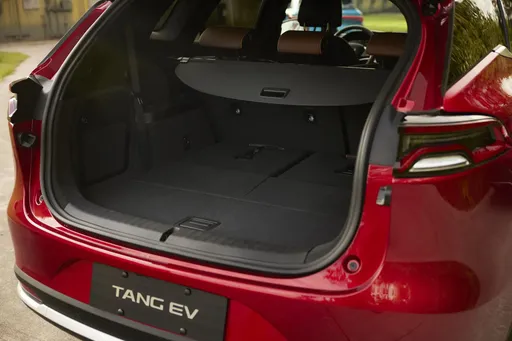
En capacidad de maletero, el BYD Sealion 7 ofrece convincente más espacio – 520 L frente a 235 L. La diferencia es de unos 285 L.

En capacidad máxima de carga, el BYD Sealion 7 es casi imperceptible mejor – hasta 1789 L, unos 134 L más que el BYD Tang.

En capacidad de carga útil, el BYD Tang notable se impone – 575 kg frente a 410 kg. La diferencia es de unos 165 kg.

¿Quién es el ganador del duelo?

En general, el BYD Sealion 7 se muestra supera en casi todos los aspectos y se lleva el título de DriveDuel Champion.
Destaca por su equilibrio general y por ser el compañero más versátil en el día a día.

desde aprox. 50.800 €
Sealion 7 @ BYD Auto / BYD Global Media

BYD Sealion 7

  • Tipo de motor : Eléctrico
  • Transmisión : Automática
  • Tipo de tracción : Tracción trasera, Tracción total
  • Potencia HP : 313 - 530 HP
  • Consumo kWh/100km : 19.9 - 21.9 kWh
  • Autonomía eléctrica : 456 - 502 km

BYD Tang

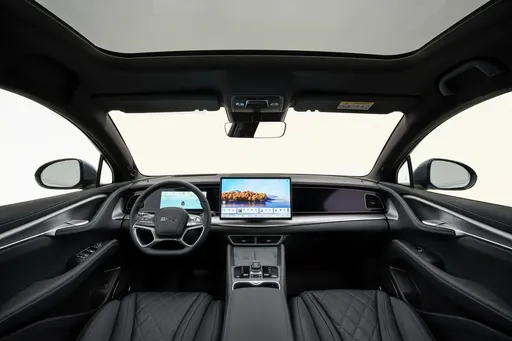
El BYD Tang llega con aires de SUV premium: diseño llamativo, interior tecnológico y una conducción pensada para el día a día. Si buscas una alternativa moderna, práctica y con personalidad para moverte sin complicaciones, este Tang juega fuerte en la liga de los que ofrecen mucho por lo que piden.

detalles

BYD Sealion 7

5 (1)
valorar

El BYD Sealion 7 mezcla una silueta elegante y casi cinematográfica con un interior espacioso y una sensación de calidad que convence desde el primer vistazo. Es una opción pensada para quien busca un eléctrico práctico y sin estridencias, con la tecnología justa para el día a día y más maletero que excusas para no emprender una escapada.

detalles
BYD Tang
BYD Sealion 7
Tang @ BYD Auto / BYD Global Media
Sealion 7 @ BYD Auto / BYD Global Media

Costos y consumo

Precio
76300 €
Precio
50800 - 62000 €
Consumo L/100km
-
Consumo L/100km
-
Consumo kWh/100km
24 kWh
Consumo kWh/100km
19.9 - 21.9 kWh
Autonomía eléctrica
530 km
Autonomía eléctrica
456 - 502 km
Capacidad de la batería
-
Capacidad de la batería
-
co2
0 g/km
co2
0 g/km
Capacidad del tanque
-
Capacidad del tanque
-

Dimensiones y carrocería

Tipo de carrocería
SUV
Tipo de carrocería
SUV
Asientos
7
Asientos
5
Puertas
5
Puertas
4
Peso en vacío
2630 kg
Peso en vacío
2225 - 2435 kg
Capacidad del maletero
235 L
Capacidad del maletero
520 L
Longitud
4970 mm
Longitud
4830 mm
Anchura
1955 mm
Anchura
1925 mm
Altura
1745 mm
Altura
1620 mm
Capacidad máxima del maletero
1655 L
Capacidad máxima del maletero
1789 L
Capacidad de carga
575 kg
Capacidad de carga
410 kg

Motor y rendimiento

Tipo de motor
Eléctrico
Tipo de motor
Eléctrico
Transmisión
Automática
Transmisión
Automática
Detalle de transmisión
Caja de reducción
Detalle de transmisión
Caja de reducción
Tipo de tracción
Tracción total
Tipo de tracción
Tracción trasera, Tracción total
Potencia HP
517 HP
Potencia HP
313 - 530 HP
Aceleración 0-100km/h
4.90 s
Aceleración 0-100km/h
4.5 - 6.7 s
Velocidad máxima
190 km/h
Velocidad máxima
215 km/h
Par motor
680 Nm
Par motor
380 - 690 Nm
Número de cilindros
-
Número de cilindros
-
Potencia kW
380 kW
Potencia kW
230 - 390 kW
Cilindrada
-
Cilindrada
-

General

Año del modelo
2024
Año del modelo
2024
Clase de eficiencia de CO2
A
Clase de eficiencia de CO2
A
Marca
BYD
Marca
BYD
¿El BYD Tang se ofrece con distintas tracciones?

El BYD Tang está disponible con tracción Tracción total.

Los precios y datos mostrados son estimaciones basadas en los precios de lista en Alemania y pueden variar según el país. Esta información no es legalmente vinculante.