
 Deutschland
 France
 Nederland
 Great Britain
 Sverige
 Norge
Norge Danmark
 Suomi
Suomi Italia
 Polska
 España
VS
Ford Puma vs MINI Countryman - Diferencias y precios comparados
Compara potencia (168 CV vs 313 CV), maletero y precio (30500 € vs 37400 € ) de un vistazo. Descubre ahora cuál es la mejor elección para ti – Ford Puma o MINI Countryman.
Puma
Costes y consumo
Al comparar precio y eficiencia suelen verse las mayores diferencias. Así se descubre cuál encaja mejor en el presupuesto a largo plazo.
Ford Puma tiene una ventaja evidente en precio: parte desde 30500 € , mientras que el MINI Countryman cuesta 37400 € . La diferencia es de unos 6879 €.
También se aprecia una diferencia en el consumo: el MINI Countryman gasta 4.60 L y es en pequeña medida más eficiente que el Ford Puma, que consume 5.40 L. La diferencia es de unos 0.80 L cada 100 km.
En consumo eléctrico, la ventaja es para el Ford Puma: con 13.10 kWh cada 100 km, es un poco más eficiente que el MINI Countryman, que necesita 15.70 kWh. La diferencia ronda los 2.60 kWh.
En cuanto a la autonomía eléctrica, el MINI Countryman ofrece un rendimiento algo mejor: alcanza hasta 462 km, unos 86 km más que el Ford Puma.
Countryman
Motor y rendimiento
Potencia, par motor y aceleración son las cifras clásicas para los amantes del motor – y aquí aparecen diferencias notables.
En cuanto a potencia, el MINI Countryman tiene una ventaja convincente: 313 CV frente a 168 CV. Eso supone un aumento de unos 145 CV CV.
En aceleración de 0 a 100 km/h, el MINI Countryman es notable más rápido: completa el sprint en 5.40 s, frente a 7.40 s del Ford Puma. Es aproximadamente 2 s más veloz.
En velocidad máxima, el MINI Countryman es en pequeña medida superior – alcanza 250 km/h, mientras que el Ford Puma se queda en 210 km/h. La diferencia es de unos 40 km/h.
También hay diferencias en el par motor: el MINI Countryman empuja significativo con 494 Nm frente a 290 Nm. La diferencia ronda los 204 Nm.
Anuncio · Afiliado
Como Afiliado de Amazon, obtenemos ingresos por las compras realizadas a través de enlaces afiliados.
Puma
Espacio y practicidad
Habitabilidad, maletero y carga útil determinan la funcionalidad en el día a día. Aquí cuentan la comodidad y la flexibilidad.
Ambos modelos ofrecen espacio suficiente para 5 personas.
En peso en vacío, el Ford Puma es evidente más ligero – 1316 kg frente a 1620 kg. La diferencia ronda los 304 kg.
En capacidad de maletero, el Ford Puma ofrece apenas perceptible más espacio – 523 L frente a 505 L. La diferencia es de unos 18 L.
En capacidad máxima de carga, el MINI Countryman es ligeramente mejor – hasta 1530 L, unos 247 L más que el Ford Puma.
En capacidad de carga útil, el MINI Countryman mínimo se impone – 500 kg frente a 469 kg. La diferencia es de unos 31 kg.
¿Quién gana la carrera en el análisis de datos?
MINI Countryman supera en casi todos los aspectos en la comparación objetiva de datos.
Esta evaluación solo muestra qué modelo obtiene más puntos sobre el papel – no cuál de los dos coches se siente adecuado para ti.
Ford Puma
MINI Countryman
Costos y consumo
Ver análisis detallado
Ver análisis detallado
Motor y rendimiento
Ver análisis detallado
Ver análisis detallado
Dimensiones y carrocería
Ver análisis detallado
Ver análisis detallado
desde aprox. 37.400 €
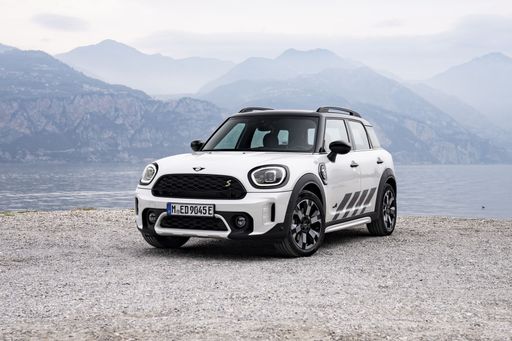
MINI Countryman
Ford Puma
2 (7 Reseñas)
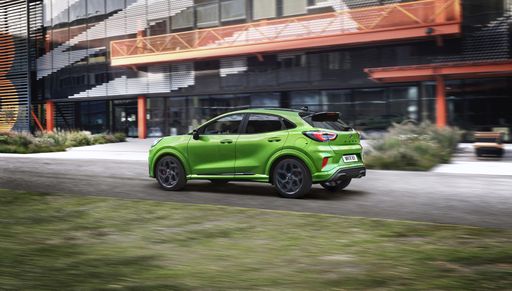
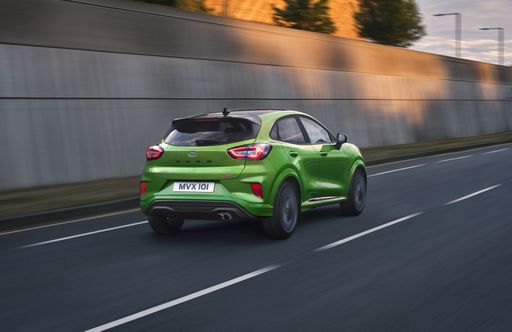
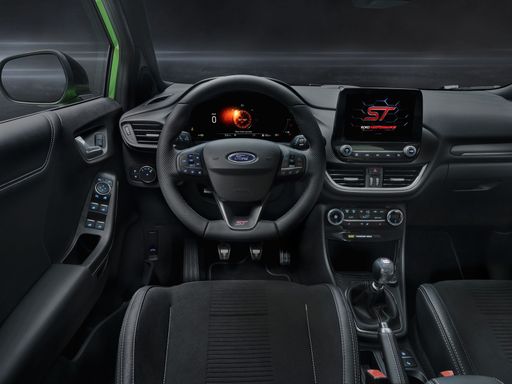
El Ford Puma es un crossover urbano que combina un diseño ágil y un carácter juguetón, ideal para quien busca personalidad sin complicarse la vida. Con un interior práctico, tecnología intuitiva y un toque de simpatía en el frontal, se convierte en una opción sensata y divertida para el día a día.
detalles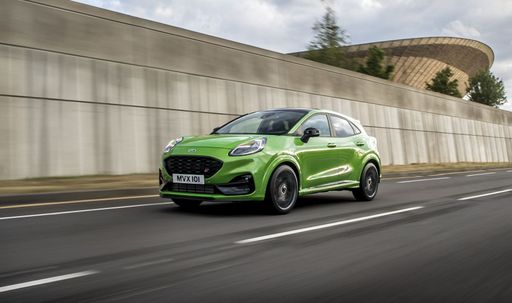
MINI Countryman
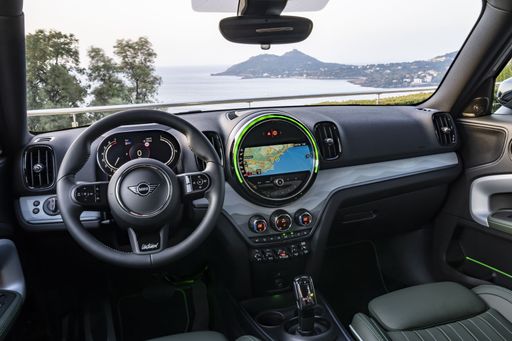
El MINI Countryman combina el encanto icónico de la marca con una presencia más robusta y práctica, perfecto para quien quiere estilo sin renunciar a espacio y versatilidad. Al volante demuestra una conducción viva y divertida, con un interior personalizable que le aporta personalidad y un punto de picardía urbano.
detalles


Ford Puma
MINI Countryman
Costos y consumo |
|
|---|---|
|
Precio
30500 - 43300 €
|
Precio
37400 - 58100 €
|
|
Consumo L/100km
5.4 - 5.9 L
|
Consumo L/100km
4.6 - 7.8 L
|
|
Consumo kWh/100km
13.1 - 13.9 kWh
|
Consumo kWh/100km
15.7 - 16.8 kWh
|
|
Autonomía eléctrica
361 - 376 km
|
Autonomía eléctrica
432 - 462 km
|
|
Capacidad de la batería
43 kWh
|
Capacidad de la batería
64.60 kWh
|
|
co2
0 - 135 g/km
|
co2
0 - 177 g/km
|
|
Capacidad del tanque
42 L
|
Capacidad del tanque
45 - 54 L
|
Dimensiones y carrocería |
|
|---|---|
|
Tipo de carrocería
SUV
|
Tipo de carrocería
SUV
|
|
Asientos
5
|
Asientos
5
|
|
Puertas
5
|
Puertas
5
|
|
Peso en vacío
1316 - 1563 kg
|
Peso en vacío
1620 - 2075 kg
|
|
Capacidad del maletero
456 - 523 L
|
Capacidad del maletero
450 - 505 L
|
|
Longitud
4186 - 4226 mm
|
Longitud
4444 - 4447 mm
|
|
Anchura
1805 mm
|
Anchura
1843 mm
|
|
Altura
1550 - 1555 mm
|
Altura
1635 - 1661 mm
|
|
Capacidad máxima del maletero
1216 - 1283 L
|
Capacidad máxima del maletero
1450 - 1530 L
|
|
Capacidad de carga
367 - 469 kg
|
Capacidad de carga
460 - 500 kg
|
Motor y rendimiento |
|
|---|---|
|
Tipo de motor
Eléctrico, Híbrido ligero gasolina
|
Tipo de motor
Híbrido ligero gasolina, Híbrido ligero diésel, Eléctrico, Gasolina
|
|
Transmisión
Automática, Manuel
|
Transmisión
Automática
|
|
Detalle de transmisión
Caja de reducción, Caja manual, Automático de doble embrague
|
Detalle de transmisión
Automático de doble embrague, Caja automática, Caja de reducción
|
|
Tipo de tracción
Tracción delantera
|
Tipo de tracción
Tracción delantera, Tracción total
|
|
Potencia CV
125 - 168 CV
|
Potencia CV
163 - 313 CV
|
|
Aceleración 0-100km/h
7.4 - 9.8 s
|
Aceleración 0-100km/h
5.4 - 8.6 s
|
|
Velocidad máxima
160 - 210 km/h
|
Velocidad máxima
170 - 250 km/h
|
|
Par motor
170 - 290 Nm
|
Par motor
250 - 494 Nm
|
|
Número de cilindros
3
|
Número de cilindros
3 - 4
|
|
Potencia kW
92 - 124 kW
|
Potencia kW
120 - 230 kW
|
|
Cilindrada
999 cm3
|
Cilindrada
1499 - 1998 cm3
|
General |
|
|---|---|
|
Año del modelo
2025
|
Año del modelo
2024
|
|
Clase de eficiencia de CO2
A, D
|
Clase de eficiencia de CO2
D, E, A, G
|
|
Marca
Ford
|
Marca
MINI
|
¿El Ford Puma se ofrece con distintas tracciones?
El Ford Puma se ofrece con Tracción delantera.
Los precios mostrados son estimaciones basadas en los precios de lista alemanes, ajustados al IVA local. Los impuestos de matriculación locales (por ejemplo, NoVA, BPM o Malus CO2) no están incluidos. Esta información no es legalmente vinculante.