
 Deutschland
 France
 Nederland
 Great Britain
 Sverige
 Danmark
 Suomi
Suomi Italia
 Polska
 Česko
Česko España
VS
Ford Puma vs Volvo EX30 comparativa
Compara la potencia (168 CV vs 428 CV), el maletero y el precio (29.500 € vs 35.600 € ) de un vistazo. Descubre cuál es la mejor opción para ti: Ford Puma o Volvo EX30.
Ford Puma vs Volvo EX30: las principales diferencias
Todos los detalles sobre potencia, consumo, autonomía y maletero se encuentran en la comparación técnica más abajo, donde también podrás ver las opiniones de los usuarios sobre ambos modelos.
Puma
Costes y consumo
El precio y la eficiencia suelen ser los primeros criterios. Aquí se ve qué modelo mantiene la ventaja a largo plazo, ya sea repostando, cargando o al comprar.
El Ford Puma es notablemente más barato: parte desde 29.500 € , mientras que el Volvo EX30 cuesta 35.600 € . La diferencia es de unos 6.096 €.
En consumo eléctrico, el Ford Puma es notablemente más eficiente: consume 13 kWh/100km frente a los 17 kWh/100km del Volvo EX30. La diferencia ronda los 4 kWh/100km.
En cuanto a la autonomía eléctrica, el Volvo EX30 ofrece ligeramente más autonomía: alcanza hasta 475 km, unos 58 km más que el Ford Puma.
EX30
Motor y rendimiento
Potencia, par motor y aceleración dicen mucho sobre la experiencia de conducción. Aquí se ve cuál ofrece más dinamismo.
En potencia, el Volvo EX30 ofrece claramente más potencia: 428 CV frente a 168 CV. Eso supone unos 260 CV de diferencia.
En la aceleración de 0 a 100 km/h, el Volvo EX30 es claramente más rápido: completa el sprint en 3,6 s, frente a 7,4 s del Ford Puma. La diferencia es de unos 3,8 s.
También hay diferencias en el par motor: el Volvo EX30 ofrece de forma notable más par, con 543 Nm frente a 290 Nm. La diferencia ronda los 253 Nm.
Puma
Espacio y practicidad
Ya sea coche familiar o compañero diario – ¿cuál ofrece más espacio, flexibilidad y confort?
Ambos modelos ofrecen espacio suficiente para 5 personas.
En el peso en vacío, el Ford Puma es de forma evidente más ligero – 1.316 kg frente a 1.840 kg. La diferencia ronda los 524 kg.
En capacidad de maletero, el Ford Puma ofrece claramente más espacio – 523 L frente a 318 L. La diferencia es de unos 205 L.
En carga útil, el Ford Puma ofrece ligeramente más capacidad – 469 kg frente a 390 kg. La diferencia es de unos 79 kg.
¿Quién gana la carrera en el análisis de datos?
Volvo EX30 gana el duelo de forma contundente en la comparación objetiva de datos.
Esta evaluación solo muestra qué modelo obtiene más puntos sobre el papel – no cuál de los dos coches se siente adecuado para ti.
desde 35.600 €
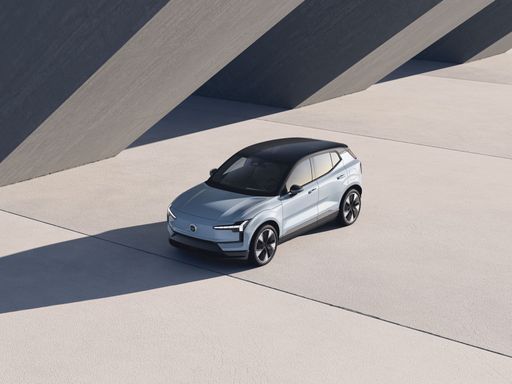
Volvo EX30
Ford Puma
Volvo EX30
Costos y consumo
Ver análisis detallado
Ver análisis detallado
Motor y rendimiento
Ver análisis detallado
Ver análisis detallado
Dimensiones y carrocería
Ver análisis detallado
Ver análisis detallado
Ford Puma
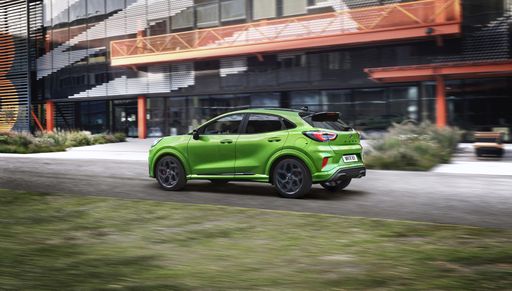
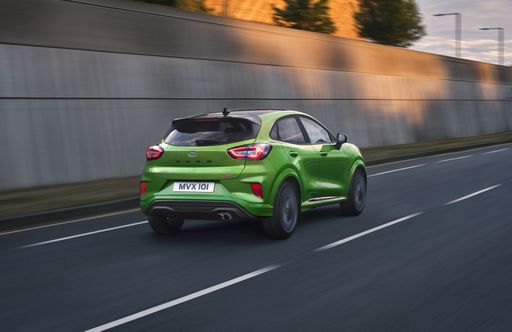
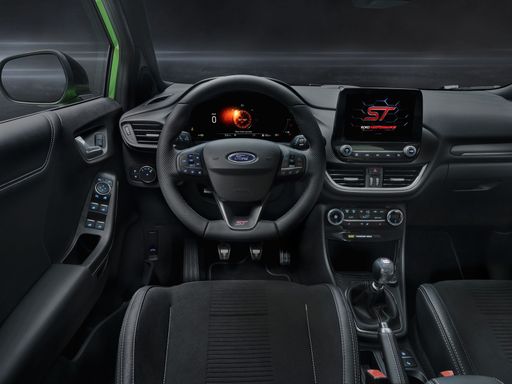
El Ford Puma es un crossover compacto que combina un diseño atractivo y dinámico con soluciones prácticas para la vida urbana. Ofrece manejo ágil, buen espacio de carga y una dotación tecnológica pensada para el confort y la seguridad del conductor y sus pasajeros.
detalles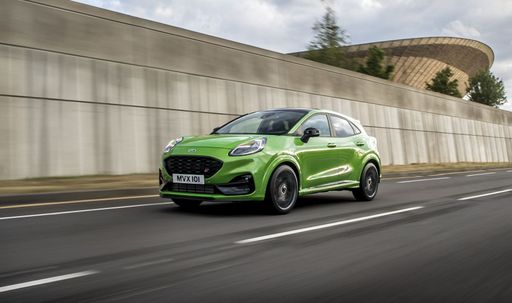
Volvo EX30
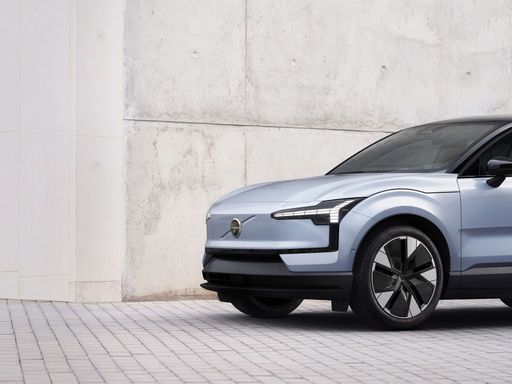
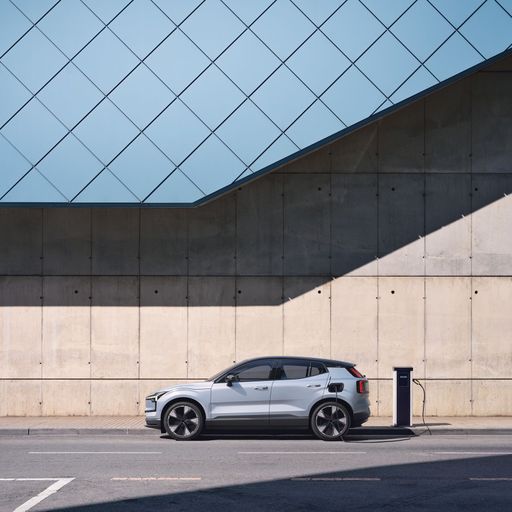
El Volvo EX30 es un SUV compacto totalmente eléctrico que combina un diseño moderno y acabado premium con una conducción ágil y enfocada en la ciudad. Destaca por su interior minimalista y seguro, con tecnología intuitiva pensada para quienes buscan eficiencia y confort sin renunciar al estilo escandinavo.
detalles


Ford Puma
Volvo EX30
Costos y consumo |
|
|---|---|
|
Precio
29.500 - 43.600 €
|
Precio
35.600 - 56.700 €
|
|
Consumo L/100km
5,4 - 5,9 L/100km
|
Consumo L/100km
-
|
|
Consumo kWh/100km
13 - 13,9 kWh/100km
|
Consumo kWh/100km
17 - 18,3 kWh/100km
|
|
Autonomía eléctrica
404 - 417 km
|
Autonomía eléctrica
339 - 475 km
|
|
Capacidad de la batería
-
|
Capacidad de la batería
-
|
|
co2
0 - 135 g/km
|
co2
0 g/km
|
|
Capacidad del tanque
-
|
Capacidad del tanque
-
|
Dimensiones y carrocería |
|
|---|---|
|
Tipo de carrocería
SUV
|
Tipo de carrocería
SUV
|
|
Asientos
5
|
Asientos
5
|
|
Puertas
-
|
Puertas
-
|
|
Peso en vacío
1.316 - 1.563 kg
|
Peso en vacío
1.840 - 1.960 kg
|
|
Capacidad del maletero
456 - 523 L
|
Capacidad del maletero
318 L
|
|
Longitud
-
|
Longitud
-
|
|
Anchura
1.805 mm
|
Anchura
1.838 mm
|
|
Altura
-
|
Altura
-
|
|
Capacidad máxima del maletero
-
|
Capacidad máxima del maletero
-
|
|
Capacidad de carga
367 - 469 kg
|
Capacidad de carga
370 - 390 kg
|
Motor y rendimiento |
|
|---|---|
|
Tipo de motor
Híbrido ligero gasolina, Eléctrico
|
Tipo de motor
Eléctrico
|
|
Transmisión
Manual, Automática
|
Transmisión
Automática
|
|
Detalle de transmisión
Caja manual, Automático de doble embrague, Caja de reducción
|
Detalle de transmisión
Caja de reducción
|
|
Tipo de tracción
Tracción delantera
|
Tipo de tracción
Tracción trasera, Tracción total
|
|
Potencia CV
125 - 168 CV
|
Potencia CV
150 - 428 CV
|
|
Aceleración 0-100km/h
7,4 - 9,8 s
|
Aceleración 0-100km/h
3,6 - 8,6 s
|
|
Velocidad máxima
-
|
Velocidad máxima
-
|
|
Par motor
170 - 290 Nm
|
Par motor
343 - 543 Nm
|
|
Número de cilindros
3
|
Número de cilindros
-
|
|
Potencia kW
92 - 124 kW
|
Potencia kW
110 - 315 kW
|
|
Cilindrada
999 cm3
|
Cilindrada
-
|
General |
|
|---|---|
|
Año del modelo
2.025 - 2.026
|
Año del modelo
2026
|
|
Clase de eficiencia de CO2
D, A
|
Clase de eficiencia de CO2
A
|
|
Marca
Ford
|
Marca
Volvo
|
DriveDuel utiliza análisis de datos e inteligencia artificial para evaluar datos de vehículos y crear contenidos. Los contenidos se revisan y mejoran regularmente.
Los precios mostrados son estimaciones basadas en los precios de lista alemanes, ajustados al IVA del país correspondiente. Los impuestos de matriculación específicos de cada país no están incluidos. Esta información no es legalmente vinculante.